
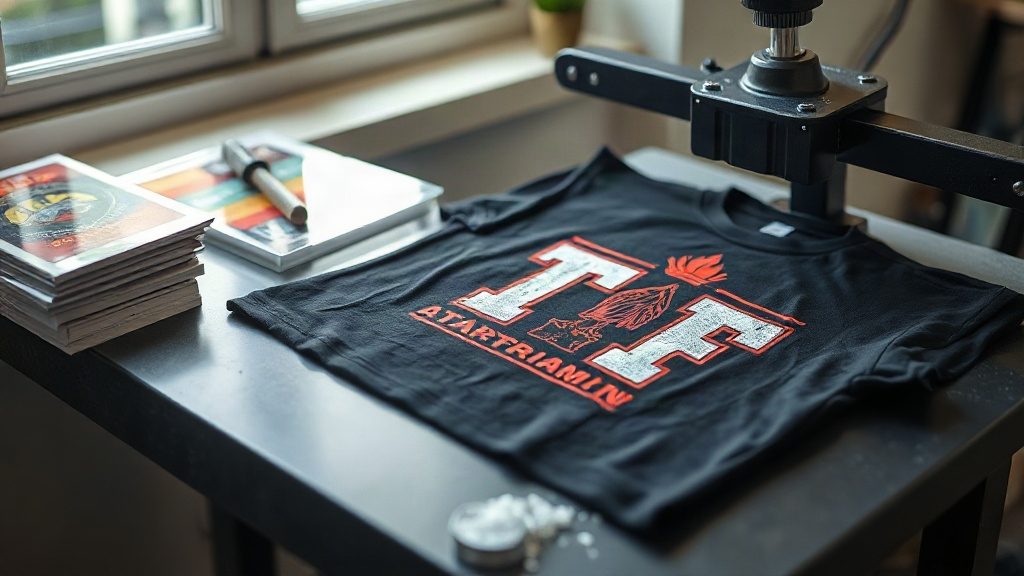
If you've been searching for a way to print detailed, colorful designs on t-shirts, hoodies, or tote bags without the hassle of weeding vinyl or the cost of screen printing, DTF transfers might be your answer. This innovative technology has taken the custom apparel world by storm, offering a versatile solution that works on almost any fabric. But what exactly are DTF transfers, and how can you use them to create stunning, long-lasting products? In this guide, we'll dive deep into the world of DTF printing, from the science behind it to practical tips that ensure professional results every time.
What Are DTF Transfers?
DTF transfers (Direct to Film) are a type of heat-applied transfer that involves printing a design onto a special PET film using a DTF printer. The design is printed with water-based pigment inks, then coated with a thermoplastic adhesive powder. After the powder is cured, the transfer is ready to be applied to fabric using a heat press. Unlike DTG (Direct to Garment) printing, which prints directly onto the fabric, DTF transfers allow you to print the design first and apply it later, giving you flexibility in production and the ability to decorate a wide range of materials, including cotton, polyester, blends, and even leather.
Why Choose DTF Transfers Over Other Methods?
There are several reasons why DTF transfers have become a favorite among crafters and small business owners. Let's break down the key advantages:
- Vibrant colors on dark garments: Unlike DTG, which requires a white underbase and can struggle with dark fabrics, DTF transfers can produce bright, opaque colors on any color garment without pre-treatment.
- No weeding required: If you've ever spent hours weeding vinyl, you'll appreciate that DTF transfers come pre-printed and ready to press. No cutting or weeding needed.
- Works on multiple fabric types: From 100% cotton to polyester, blends, and even non-fabric surfaces like leather and canvas, DTF transfers adhere well.
- Durability: When applied correctly, DTF transfers are highly durable, withstanding repeated washing without cracking, peeling, or fading.
- Cost-effective for small batches: Unlike screen printing, which requires separate screens for each color, DTF transfers are cost-effective for short runs and one-off designs.
The DTF Transfer Process: Step by Step
Understanding the process helps you troubleshoot issues and achieve consistent results. Here's a detailed walkthrough:
1. Design Preparation
Start with a high-resolution image. DTF printing can handle intricate details and gradients, but low-resolution files will result in pixelated prints. Ensure your design is mirrored (flipped horizontally) because the transfer is pressed face-down onto the fabric. Most DTF printers come with RIP software that automatically mirrors the image.
2. Printing
The design is printed onto a special PET film using a DTF printer. These printers use CMYK plus white ink. The white ink is crucial for opacity, especially on dark fabrics. The printer lays down a layer of white ink first (or sometimes after color, depending on the printer), followed by the color layers. The film is then coated with a fine layer of adhesive powder, which is shaken off to leave an even coating.
3. Curing the Powder
The powder-coated film is then heated to melt the adhesive. This can be done in a curing oven or with a heat press. The powder melts and fuses with the ink, creating a flexible, durable layer that will bond to the fabric. Curing temperature and time vary by powder type, but typically it's around 160°C (320°F) for 2-3 minutes.
4. Heat Press Application
Once cured, the transfer is ready to apply. Set your heat press to the recommended temperature (usually 150-160°C / 300-320°F) with medium pressure. Place the transfer face-down on the garment, cover with a protective sheet (like parchment paper or a Teflon sheet), and press for 10-15 seconds. Then, while still hot, peel the film away. For a matte finish, you can press again for a few seconds after peeling.
5. Post-Press Care
After application, allow the garment to cool completely before handling. Wait at least 24 hours before washing. Turn the garment inside out and wash in cold water. Avoid fabric softeners and bleach, and tumble dry on low or hang dry to extend the life of the transfer.
DTF Transfers vs. Other Printing Methods
To help you decide if DTF is right for your project, here's a quick comparison:
- DTF vs. DTG: DTG prints directly onto the garment and works best on 100% cotton. It requires pre-treatment and can be slower. DTF offers more versatility and vibrant colors on dark fabrics without pre-treatment.
- DTF vs. Vinyl: Vinyl is great for simple designs but requires weeding and layering for multi-color. DTF handles complex, multi-color designs with ease and no weeding.
- DTF vs. Screen Printing: Screen printing is cost-effective for large orders but has setup costs per color. DTF is ideal for small batches and detailed designs.
- DTF vs. Sublimation: Sublimation only works on light-colored polyester and requires a special coating. DTF works on cotton, dark colors, and more.
Common Challenges and How to Overcome Them
Even with a straightforward process, issues can arise. Here are some common problems and solutions:
- Transfer not adhering: Ensure sufficient pressure and correct temperature. Also, check that the garment is free of wrinkles and moisture.
- Cracking or peeling after washing: This often indicates under-curing of the powder or insufficient pressure during application. Increase curing time or pressure.
- Dull colors: Make sure you're using quality inks and that the white ink layer is thick enough. Also, avoid over-pressing, which can scorch the inks.
- Film peeling off too hard: If the film is difficult to peel, it may be due to insufficient cooling. Wait a few seconds after pressing before peeling.
Expert Tips for Perfect DTF Transfers
To elevate your DTF game, consider these professional insights:
- Use a heat press, not an iron: Irons don't provide consistent pressure and temperature, leading to poor adhesion.
- Test your settings: Every heat press is different. Use a temperature gun to verify the platen temperature and adjust as needed.
- Store transfers properly: Keep unused transfers in a cool, dry place away from direct sunlight to prevent the adhesive from activating prematurely.
- Experiment with fabrics: DTF works on many materials, but always test on a scrap piece first to ensure compatibility.
- Quality supplies matter: Invest in good quality film, powder, and ink. Cheap supplies can lead to clogs, poor adhesion, and faded prints.
Frequently Asked Questions About DTF Transfers
How long do DTF transfers last?
When applied correctly and cared for properly, DTF transfers can last as long as the garment itself. They withstand dozens of washes without significant fading or cracking. Following the washing instructions is key to longevity.
Can I use DTF transfers on 100% polyester?
Yes, DTF transfers work well on polyester, but you may need to adjust the pressing temperature to avoid scorching. Lower the temperature to around 140°C (280°F) and press for a shorter time. Always test first.
Do I need a special printer for DTF?
You can convert an existing inkjet printer to DTF with a DTF conversion kit, but dedicated DTF printers are recommended for best results. They are designed to handle the white ink and powder process efficiently.
What is the difference between DTF and DTG?
DTF involves printing onto a film and then transferring to the garment, while DTG prints directly onto the garment. DTF offers more versatility with fabrics and colors, while DTG is limited to cotton and requires pre-treatment.
Can I layer DTF transfers?
Yes, you can layer DTF transfers, but it's tricky. You'll need to press the first transfer, then apply the second on top, ensuring proper alignment. Use a lower temperature for the second press to avoid disturbing the first layer.
With these insights, you're well-equipped to explore the world of DTF transfers. Whether you're a hobbyist or a business owner, this technology opens up a realm of possibilities for custom apparel. Remember, practice makes perfect, so don't hesitate to experiment and refine your technique. Happy pressing!