
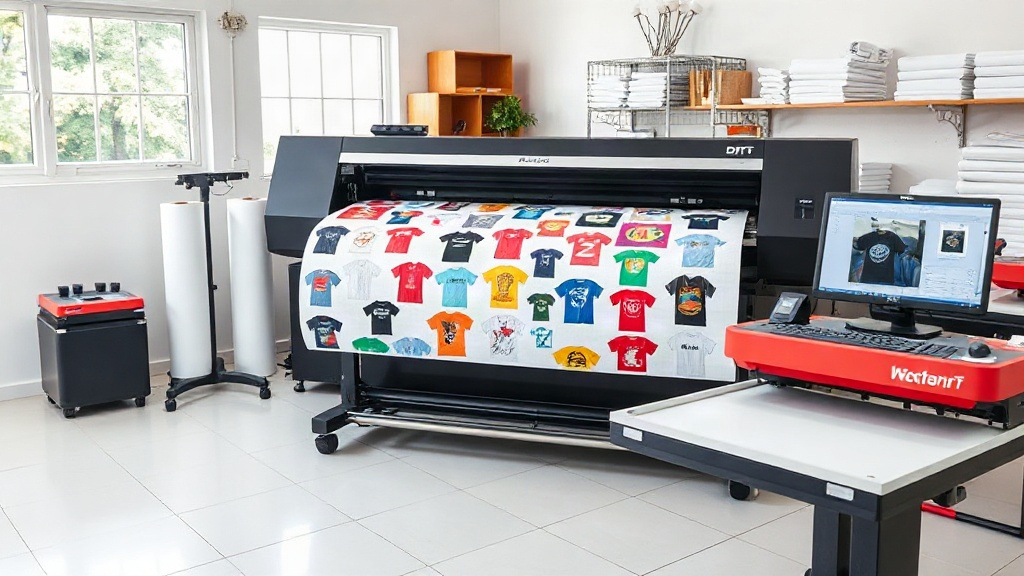
If you're in the apparel decoration business, you've likely heard about DTF printing. It's a game-changer for transferring vibrant designs onto various fabrics. But did you know that you can take your efficiency to the next level with DTF gangsheet? In this guide, we'll dive deep into what gang sheets are, why they matter, and how to use them to maximize your profits.
What is a DTF Gangsheet?
A DTF gangsheet is a large sheet of DTF transfer film that contains multiple designs printed together. Instead of printing each design individually, you arrange them efficiently on a single sheet. This approach saves film, ink, and time, making it a staple for busy print shops.
Think of it like a digital collage of your artwork, ready to be pressed onto garments. Whether you have a mix of small logos and large graphics, a gang sheet lets you produce them all in one go.
Why Use a DTF Gangsheet?
The benefits of gang sheets are numerous, but here are the most impactful ones:
- Cost savings: By maximizing the use of film and ink, you reduce waste and lower your cost per print.
- Time efficiency: Printing multiple designs at once cuts down on setup time and allows you to fulfill orders faster.
- Consistency: All designs on the sheet go through the same printing and curing process, ensuring uniform quality.
- Flexibility: You can combine different sizes and quantities to match your order requirements.
For a growing business, these advantages can significantly impact your bottom line.
How to Create a DTF Gangsheet
Creating a gang sheet is straightforward if you follow a few key steps. You'll need design software, a DTF printer, and transfer film.
Step 1: Prepare Your Artwork
Start by gathering all the designs you want to include. Ensure each design is in a high-resolution format, preferably PNG with transparent background. Check that colors are vibrant and lines are crisp; DTF printing can reproduce fine details, so quality input matters.
Step 2: Arrange Designs on the Canvas
Open your design software (like Photoshop or Illustrator) and create a canvas that matches the width of your DTF film roll. Common widths are 13, 17, and 24 inches. Then, place your designs onto the canvas, leaving a small gap between them. Rotate and nest designs to fill empty spaces and minimize waste. Aim for a layout that uses at least 85% of the sheet area.
Step 3: Add Registration Marks (Optional)
If you're using a cutter or want precise placement, add registration marks or crop marks. These help align the film during pressing or cutting.
Step 4: Print and Cure
Load the film into your DTF printer and print the sheet. After printing, apply hot melt adhesive powder evenly over the wet ink, shake off excess, and cure the sheet in an oven or with a heat press. Follow your printer and powder manufacturer's guidelines for temperature and time.
Best Practices for DTF Gangsheets
To get the most out of your gang sheets, keep these tips in mind:
- Group by color: If you have designs with similar color palettes, group them to reduce ink changes and improve efficiency.
- Mind the gaps: Leave at least 0.25 inches between designs to prevent color bleeding and make cutting easier.
- Test your layout: Before printing a full sheet, do a test print on plain paper to check spacing and alignment.
- Use quality film: Cheaper films may cause ink smearing or poor transfer. Invest in reputable DTF film for consistent results.
- Store properly: Keep unused gang sheets in a cool, dry place to prevent the adhesive from activating prematurely.
Common Applications of DTF Gangsheets
Gang sheets are used across various scenarios in the apparel industry:
- Team uniforms: Print multiple jersey numbers and logos on one sheet.
- Custom merchandise: Create a variety of designs for t-shirts, hoodies, and tote bags in a single print run.
- Sample packs: Produce small batches of different designs for customer approval.
- Event apparel: Quickly fulfill orders for sports events, concerts, or corporate functions.
Maximizing Profit with DTF Gangsheets
Efficiency translates to profit. By using gang sheets, you can take on more orders without increasing your overhead. Here's how to leverage them:
- Offer tiered pricing: Encourage customers to order multiple designs by offering discounts on larger quantities.
- Bundle services: Combine gang sheet printing with pressing services for a complete solution.
- Reduce turnaround time: Faster production means happier customers and more referrals.
Remember, the key is to plan your sheets carefully to avoid waste and reprints.
Frequently Asked Questions
What is the ideal size for a DTF gangsheet?
The ideal size depends on your printer's maximum width and the number of designs you need. Common widths are 13", 17", and 24". Choose a size that accommodates your designs without excessive empty space.
Can I mix different designs on one gangsheet?
Absolutely. Mixing designs is one of the main advantages of gang sheets. Just ensure they are arranged efficiently and have enough spacing.
How do I prevent colors from bleeding on a gangsheet?
Leave adequate gaps (at least 0.25 inches) between designs. Also, use high-quality film and follow proper curing procedures to set the ink.
Do I need special software to create a gangsheet?
No special software is required; any graphic design program that allows you to create a canvas and arrange images will work. Adobe Photoshop, Illustrator, or even free tools like GIMP can be used.
How long can I store a DTF gangsheet before use?
When stored in a cool, dry place away from direct sunlight, gang sheets can last for several months. However, for best results, use them within a few weeks.
Mastering the DTF gangsheet is a smart move for any apparel decorator looking to scale. With the right approach, you'll streamline your operations and keep customers coming back.