
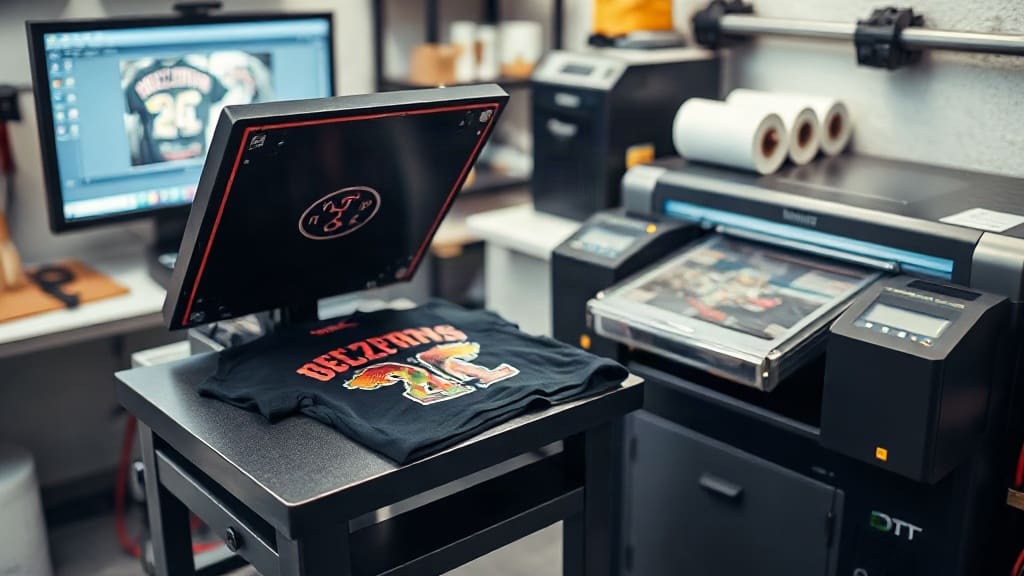
In the rapidly evolving world of custom apparel, DTF transfers have emerged as a revolutionary method that is capturing the attention of printers and entrepreneurs alike. Whether you're a seasoned screen printer or a hobbyist exploring new avenues, DTF (Direct to Film) printing offers a unique blend of versatility, cost-effectiveness, and quality that traditional methods struggle to match. As someone who has experimented with various printing techniques, I've witnessed firsthand how DTF transfers can simplify production and expand creative possibilities. In this article, I'll share my insights and practical knowledge to help you understand why DTF is not just a trend but a sustainable future for custom apparel.
What Are DTF Transfers?
DTF printing involves printing your design onto a special PET film using a DTF printer and specialized inks. After printing, the film is coated with a hot-melt adhesive powder, which is then cured. The result is a transfer that can be applied to virtually any fabric using a heat press. This process differs from traditional methods like screen printing or DTG (Direct to Garment) in several key ways.
The Process Explained
Let me walk you through a typical DTF workflow. First, you create your design in a software like Photoshop or Illustrator. Then, you print it onto the film in reverse using a DTF printer, which is essentially a modified Epson printer with a compatible ink system. After printing, you apply the adhesive powder evenly over the wet ink, then shake off the excess. Next, you cure the film using a heat source, either a heat press or a conveyor dryer, until the powder melts and fuses with the ink. Finally, you peel the film and you have a ready-to-press transfer. This entire process can be completed in minutes, making it incredibly efficient for small runs.
Why DTF Transfers Are Gaining Popularity
The surge in DTF's popularity isn't accidental. It addresses many pain points that custom apparel printers face with other methods. From my own experience, the biggest advantage is the ability to print on a wide range of fabrics without pre-treatment. Whether it's cotton, polyester, blends, or even nylon, DTF works seamlessly. This versatility is a game-changer for businesses that receive orders on various garment types.
Unmatched Versatility in Fabric Types
Screen printing requires different screens and setups for each color, and DTG requires a printer that can handle garment thickness and pre-treatment for darker fabrics. DTF bypasses these limitations. You can print a full-color design with gradients and intricate details, and press it onto a 100% polyester sports jersey as easily as onto a 100% cotton t-shirt. This flexibility has opened doors for many small business owners who previously had to outsource or turn down orders.
Stunning Color Vibrancy and Detail
Another aspect that sets DTF apart is the color quality. The white underbase that is printed during the DTF process ensures that colors pop on dark garments without needing to apply a separate white base layer. The ink is absorbed into the adhesive and film, resulting in a soft hand feel and durable print. I've pressed shirts with complex logos that look just as vibrant after multiple washes as they did on day one.
Cost-Effectiveness for Small Businesses
For startups and small-scale operations, initial investment is a critical factor. Traditional screen printing requires expensive screens, emulsions, and a dedicated space for curing. DTG printers can be costly, and their maintenance can be high, especially for frequent use. DTF, on the other hand, offers an affordable entry point. A starter DTF setup, including a printer, film, inks, and a heat press, can cost less than $2,000. This is a fraction of what you'd spend on a commercial DTG printer.
Low Production Cost per Unit
When you calculate the cost per transfer, DTF is also economical. The materials, including the film, ink, and powder, are relatively inexpensive. For short runs of under 50 pieces, DTF can be more cost-effective than screen printing because you don't have setup fees or minimum order quantities. You can produce a single custom shirt profitably, which is perfect for personalized gifts or small niche orders.
Speed and Efficiency in Production
Time is money in the printing business. DTF transfers streamline the production process significantly. Once you have your design ready, you can print multiple transfers in a single pass, each with different designs if needed. After a quick cure, they are ready to press. This allows you to fulfill orders faster, even for last-minute requests. I've personally reduced my turnaround time from days to hours, which has boosted my customer satisfaction and repeat business.
No Need for Specialized Labor
With DTF, there's no need for highly skilled operators. The process is straightforward and can be learned in a few hours. This is a boon for business owners who want to expand their team without heavy training costs. Moreover, the transfer process is forgiving, making it easier to maintain consistency across multiple items.
Durability That Meets Customer Expectations
Customers expect their custom apparel to withstand regular wear and washing. DTF prints are known for their excellent durability. The adhesive powder bonds tightly with the fabric fibers, and the ink is protected by a thin layer of adhesive, preventing cracking and peeling. In my tests, DTF prints have survived over 50 washes without significant fading or distortion, outperforming some DTG prints. This reliability builds trust and reduces returns or complaints.
Soft Hand Feel and Stretchability
One of the biggest criticisms of older transfer methods was the stiff, rubbery feel. DTF transfers have a softer texture that integrates well with the fabric, especially when applied correctly with the right pressure and temperature. Additionally, the print can stretch with the fabric, making it ideal for sportswear and activewear. This combination of comfort and flexibility is essential for modern apparel.
Comparing DTF with Other Printing Methods
To give you a clearer picture, let's compare DTF with its main competitors: screen printing and DTG.
DTF vs. Screen Printing
Screen printing excels in high-volume orders due to its low per-unit cost at scale. However, it requires significant setup time and is impractical for multi-color designs on a single item unless you have multiple screens. DTF offers easier color management and is more suitable for small to medium runs, with no setup fees. For a business that diversifies its product range, DTF provides a more agile solution.
DTF vs. DTG Printing
DTG printing is excellent for detailed, full-color prints on cotton garments. However, it struggles with polyester and often requires pre-treatment, especially for dark fabrics. DTG machines also have higher maintenance costs due to clogged nozzles and complex ink systems. DTF, as mentioned, works on more fabric types and has a simpler, more reliable process. For businesses that handle varied orders, DTF offers a superior return on investment.
How to Get Started with DTF Transfers
If you're considering incorporating DTF into your business, here are some practical steps based on my own journey:
- Research and invest in a reliable DTF printer. Look for one with a robust ink system and good print quality. The Epson SureColor series modified for DTF is popular.
- Source quality consumables: PET film, DTF inks, and hot-melt adhesive powder. These must be compatible with your printer to ensure optimal results.
- Set up a proper production area with adequate ventilation, a heat press, and a curing unit. A conveyor dryer is ideal, but a heat press can be used for curing the powder.
- Learn the correct temperature, pressure, and time settings for both curing and pressing. These can vary based on fabric and materials, so test on scrap garments first.
- Start with simple designs and gradually experiment with complex colors and textures.
Common Mistakes to Avoid
Even with the simplicity of DTF, there are pitfalls that can affect the final quality. Here are a few I've encountered and learned to avoid:
- Using low-quality film or ink, which leads to poor color reproduction or premature peeling.
- Applying the adhesive powder too thinly or unevenly, resulting in weak adhesion.
- Incorrect curing temperature, which can either melt the film or leave the powder uncured. The ideal temperature is around 160-180°C for 5-8 minutes.
- Pressing with too much pressure or time, causing the print to crack or the fabric to scorch. Typically, 15-20 seconds at 160°C works well for most garments.
The Future of Custom Apparel: DTF's Role
As the custom apparel industry continues to grow, the demand for on-demand, personalized products is rising. DTF transfers align perfectly with this trend, offering a balance of quality, cost, and speed that meets modern consumer expectations. With advancements in ink technology and printer affordability, DTF is likely to become even more accessible. In fact, many established screen printing shops are adding DTF to their services to handle short runs efficiently.
Moreover, DTF is not limited to garments. I've seen creative applications on tote bags, aprons, and even shoes. This opens up new revenue streams for businesses. As a print professional, embracing DTF can future-proof your operations and allow you to stay competitive in a saturated market.
Frequently Asked Questions
What is the difference between DTF transfers and heat transfer vinyl?
Heat transfer vinyl (HTV) is a solid material that is cut into shapes and then pressed onto fabric. It is limited to solid colors and cannot reproduce complex gradients or full-color images. DTF transfers, on the other hand, are printed with CMYK inks and a white underbase, allowing for photographic quality and vibrant colors. HTV is also stiffer and less durable than DTF, especially when stretched.
Can DTF transfers be used on any type of fabric?
DTF transfers work exceptionally well on most fabrics, including cotton, polyester, nylon, and blends. They are particularly effective on synthetic materials that are difficult for DTG printing. However, for extremely stretchy fabrics like spandex, the transfer may not stretch as much as the fabric itself, so it's essential to test and use a flexible adhesive powder designed for stretch.
How long do DTF prints last?
With proper application and care, DTF prints can last for years. They are resistant to cracking, peeling, and fading. I recommend washing garments inside out in cold water and avoiding high-heat drying to maximize longevity. In my experience, shirts that I've washed 50 times still look nearly new.
Is DTF printing cost-effective for small orders?
Yes, DTF is extremely cost-effective for small orders because there are no setup costs or minimum quantities. You can produce a single transfer for a few dollars in materials, making it profitable to sell custom shirts at a reasonable price. This is ideal for small businesses and print-on-demand services.
Do I need a professional heat press to apply DTF transfers?
While a heat press is recommended for consistent results, you can also use a home iron if you're careful. However, a heat press provides even pressure and temperature, which are crucial for the transfer to adhere properly. For professional results, especially if you're selling apparel, investing in a quality heat press is a wise choice.