
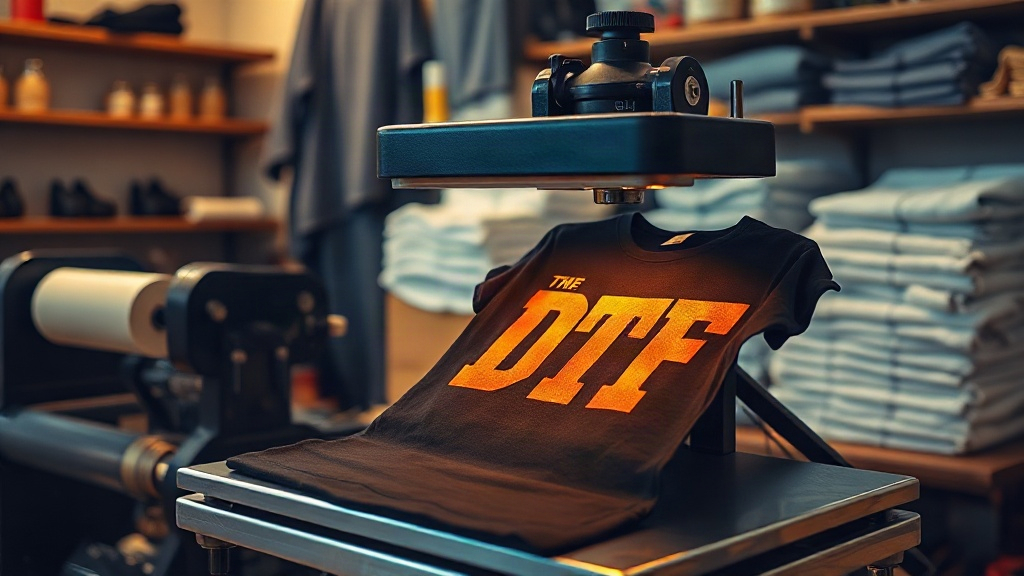
Direct-to-film (DTF) transfers have revolutionized the garment decoration industry, offering unparalleled versatility and vibrant results. Whether you're a seasoned printer or just starting out, understanding how to work with different fabrics and blanks is key to success. In this guide, we'll dive deep into using DTF transfers on popular blank brands like Shaka Wear and Smart Blanks. You'll learn the nuances of each fabric, best practices for application, and troubleshooting tips to achieve professional-quality prints every time.
Why DTF Transfers Are a Game-Changer for Custom Apparel
DTF transfers have quickly become the go-to method for decorating apparel, and for good reason. Unlike traditional screen printing or vinyl, DTF allows you to print full-color, highly detailed designs without the need for multiple screens or weeding. The process involves printing your design onto a special film, coating it with adhesive powder, and then heat-pressing it onto the garment. The result is a soft, stretchable print that adheres to a wide range of fabrics, including cotton, polyester, and blends.
What sets DTF apart is its ability to produce photographic-quality images with fine gradients and tiny text, all in a single pass. This makes it ideal for small businesses, custom orders, and anyone looking to add a personal touch to apparel. Plus, DTF transfers are durable, resisting cracking and fading even after repeated washes.
Choosing the Right Blank: Shaka Wear vs. Smart Blanks
When it comes to DTF printing, the blank you choose can significantly impact the final result. Two popular options are Shaka Wear and Smart Blanks. Both offer high-quality garments, but they have distinct characteristics that may influence your decision.
Shaka Wear: Heavyweight and Streetwear-Ready
Shaka Wear is renowned for its heavyweight cotton tees and hoodies, often favored by streetwear brands and those seeking a premium feel. Their garments are typically 100% cotton or cotton-poly blends, with a substantial hand feel. This weight provides an excellent canvas for DTF transfers, as the fabric can handle the heat and pressure of the press without scorching. However, the tight knit of Shaka Wear tees means you need to ensure proper adhesion, especially on darker colors where the white underbase of the DTF transfer must be opaque enough to prevent the shirt color from showing through.
One of the advantages of Shaka Wear is their consistent sizing and color range. Whether you're printing a single custom piece or a bulk order, you can rely on their blanks to provide a uniform surface for your transfers.
Smart Blanks: Affordable and Versatile
Smart Blanks offer a more budget-friendly option without sacrificing too much quality. They are a popular choice for promotional products, event merchandise, and startups looking to keep costs down. Smart Blanks come in a variety of fabric compositions, including 100% cotton and poly-cotton blends. The key with Smart Blanks is to check the fabric content: 100% cotton takes DTF transfers beautifully, while higher polyester content may require lower pressing temperatures to avoid dye migration.
Because Smart Blanks are often lighter weight, they can be more prone to scorching if the press is too hot. Using a heat press with accurate temperature control and a Teflon sheet or parchment paper can mitigate this risk.
Step-by-Step Guide to Applying DTF Transfers on Shaka Wear and Smart Blanks
Now that you understand the blanks, let's walk through the application process. While DTF transfers are relatively straightforward, following these steps will ensure optimal results on both Shaka Wear and Smart Blanks garments.
1. Pre-Press the Garment
Before applying the transfer, pre-press the garment for 5-10 seconds at your intended pressing temperature. This removes moisture and wrinkles, creating a smooth surface for the transfer to adhere to. For Shaka Wear heavyweight tees, you might need a slightly longer pre-press to flatten the fabric. For Smart Blanks, a quick 5-second press is usually sufficient.
2. Set Your Heat Press
Temperature, pressure, and time are critical. For DTF transfers on cotton and cotton blends, a common setting is 325°F (160°C) for 15 seconds with medium-heavy pressure. However, always check the instructions provided with your DTF transfers, as different films may have specific requirements. For Shaka Wear hoodies, which are thicker, you may need to increase pressure slightly to ensure the transfer penetrates the fabric. For Smart Blanks with polyester content, consider lowering the temperature to 300°F (150°C) to prevent dye migration.
3. Position the Transfer
Place the DTF transfer on the garment with the printed side facing up. If your transfer has a white backing, that's the side that goes against the fabric. Use heat-resistant tape to secure it if needed, especially on stretchy fabrics.
4. Press the Transfer
Apply the heat press for the recommended time. For most DTF transfers, 15 seconds is standard. For Shaka Wear heavy cotton, you might press for 20 seconds to ensure full adhesion. Remember to use consistent pressure; too little and the transfer won't stick, too much and the design may spread.
5. Peel the Film
DTF transfers are typically cold peel or warm peel. Most modern DTF films are cold peel, meaning you wait until the transfer is completely cool before peeling off the film. This allows the adhesive to set properly. Gently peel from one corner; if the design lifts, press again for a few seconds.
6. Post-Press for Durability
For added durability, especially on Shaka Wear garments that will see heavy wear, do a second press for 5-10 seconds with a Teflon sheet or parchment paper over the design. This further embeds the transfer into the fabric.
Common Challenges and How to Overcome Them
Even with the best practices, you might encounter issues. Here are some common problems and solutions when working with DTF transfers on Shaka Wear and Smart Blanks.
Dye Migration on Polyester Blends
If you're printing on Smart Blanks with high polyester content, you may notice the shirt's dye bleeding into the transfer, especially with white or light-colored designs. To prevent this, use a low-bleed DTF film or lower your pressing temperature. Alternatively, consider using a poly-blocker underlay.
Poor Adhesion on Heavyweight Fabrics
Shaka Wear heavyweight tees can be challenging because the fabric is dense. Ensure you're using enough pressure and possibly a longer pressing time. Pre-pressing helps, but you might also need to press from both sides (front and back) to fully cure the adhesive.
Cracking or Fading After Washing
If your DTF transfer cracks or fades after a few washes, it's likely due to insufficient pressure or time during application. Always follow the recommended settings and consider a post-press. Also, advise your customers to wash garments inside out in cold water and avoid harsh detergents.
Maximizing Your DTF Printing Success
To get the most out of your DTF transfers on Shaka Wear and Smart Blanks, keep these additional tips in mind:
- Test on scraps: Before pressing a full order, test your settings on a fabric swatch to dial in the perfect temperature and time.
- Store transfers properly: Keep DTF transfers in a cool, dry place away from direct sunlight to prevent the adhesive from drying out.
- Use quality transfers: Not all DTF films are created equal. Invest in high-quality transfers from reputable suppliers to ensure consistent results.
- Maintain your heat press: Regularly calibrate your press and replace worn parts to maintain consistent temperature and pressure.
Frequently Asked Questions
Can I use DTF transfers on 100% polyester Shaka Wear garments?
Yes, you can, but you need to adjust your settings. Polyester is more sensitive to heat, so lower the temperature to around 300°F (150°C) and use light pressure. Also, be aware of dye migration; using a low-bleed film or a poly-blocker can help.
How do I prevent scorching on Smart Blanks?
Scorching occurs when the press is too hot or the garment is pressed for too long. Always pre-test your settings and use a Teflon sheet or parchment paper between the press and the garment. For Smart Blanks, which are lighter weight, start with a lower temperature and shorter time, then adjust as needed.
What's the best way to wash a t-shirt with a DTF transfer?
Turn the garment inside out and wash in cold water with mild detergent. Avoid using bleach or fabric softener. Tumble dry on low or hang to dry. Following these steps will extend the life of your DTF print.
Do I need a commercial heat press for DTF transfers?
While you can use a home iron or a cheap press, a commercial heat press is highly recommended for consistent results. It provides even pressure and accurate temperature control, which are crucial for DTF transfers, especially on Shaka Wear and Smart Blanks.
How long do DTF transfers last?
With proper application and care, DTF transfers can last as long as the garment itself. They are known for their durability and resistance to cracking and fading. However, improper washing or excessive heat can shorten their lifespan.