
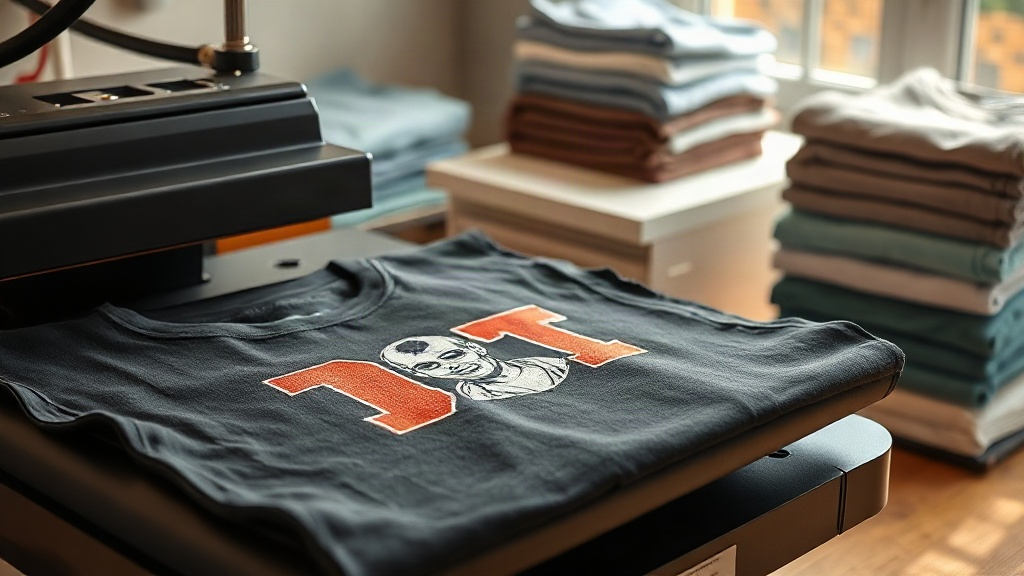
You've spent hours perfecting your DTF transfers, only to see them crack, fade, or peel after a few washes. The culprit? Often, it's not your technique or your transfer film—it's the blank you chose. In the world of direct-to-film printing, the garment is not just a canvas; it's an active participant in the print's longevity. That's where smart blanks come in. These are garments engineered with the right fiber content, weave, and finish to bond seamlessly with DTF adhesives, giving you prints that look factory-made and survive real life. In this guide, we'll dive deep into why smart blanks matter, how to identify them, and how brands like Shaka Wear are setting the standard for DTF-ready apparel. Whether you're a hobbyist or running a full-scale shop, understanding this will save you time, money, and a lot of frustration.
Why Smart Blanks Are a Game-Changer for DTF Transfers
DTF transfers are versatile, but they're not magic. The adhesive powder that fuses the ink to the fabric needs a receptive surface. Cotton-rich fabrics with a tight weave provide the best anchor. Smart blanks are specifically designed with this in mind: they often have a higher cotton content, a smooth surface, and minimal finishing agents that can interfere with adhesion. When you pair a quality DTF transfer with a smart blank, you get vibrant colors, sharp details, and a soft hand feel that lasts. On the flip side, using a poorly suited blank can lead to a print that feels plastic-y, cracks along the grain, or washes away prematurely. It's not just about the transfer; it's about the entire system.
What Exactly Makes a Blank 'Smart'?
The term 'smart blank' isn't just marketing fluff. It refers to garments that have been optimized for decoration. Key characteristics include:
- High cotton content: Typically 100% cotton or a cotton/poly blend with at least 50% cotton. Cotton fibers create a porous surface that the DTF adhesive can penetrate.
- Tight knit: A denser weave prevents the adhesive from sinking too deep, which can cause the print to feel stiff. It also reduces the chance of the transfer distorting when stretched.
- Smooth surface: No heavy slubs or textures that can create uneven pressure during heat application.
- Low shrinkage: Pre-shrunk or minimal shrinkage ensures the print doesn't pucker after washing.
- Consistent dyeing: Colorfast dyes prevent bleeding into the transfer during pressing.
When you choose a blank that ticks these boxes, you're setting your DTF transfers up for success. And among the many options out there, Shaka Wear has earned a reputation for delivering exactly this kind of reliability.
Shaka Wear: A Gold Standard for DTF Printing
If you've been in the custom apparel game for any length of time, you've likely heard of Shaka Wear. This brand has become a favorite among screen printers and DTF enthusiasts alike for good reason. Their tees, hoodies, and tanks are made from heavyweight, 100% cotton fabrics that are tightly knit and pre-shrunk. That means they provide an ideal surface for DTF transfers. The smooth, even texture ensures that the transfer adheres uniformly, and the cotton fibers lock in the adhesive for a durable bond. Plus, Shaka Wear's garments are known for their consistent sizing and color range, so you can offer your customers a variety of options without worrying about print quality varying from one color to the next.
Why Shaka Wear Works So Well with DTF
Let's break down the technical side. DTF transfers consist of a PET film coated with a release layer, printed with water-based inks, and dusted with a thermoplastic polyurethane (TPU) adhesive powder. When you heat press the transfer onto a garment, the TPU melts and bonds with the fabric fibers. For this bond to be strong, the fabric must be able to absorb the melted adhesive. Shaka Wear's cotton fabric has a natural affinity for TPU, and its tight weave prevents the adhesive from over-penetrating. The result is a print that sits on top of the fabric with a soft feel, stretches with the garment without cracking, and withstands repeated washing. Many users report that DTF prints on Shaka Wear tees outlast those on cheaper blanks by months.
How to Choose the Right Smart Blank for Your DTF Project
Not all smart blanks are created equal, and the best choice depends on your specific application. Here are the factors to consider:
- Fabric content: For maximum durability, go with 100% cotton. If you need a poly blend for performance (like moisture-wicking), aim for at least 50% cotton. Pure polyester can work, but requires lower pressing temperatures and may have a different hand feel.
- Weight: Heavier fabrics (like Shaka Wear's 6.0 oz tees) provide a premium feel and can handle larger prints without sagging. Lighter fabrics (4.0 oz) are fine for small logos but may not support heavy ink coverage.
- Color: Light colors are more forgiving for DTF because the white ink layer can be minimized. On dark colors, a thicker white layer is needed, which can make the print feel thicker. Smart blanks with consistent dyeing help prevent color bleed.
- Weave and texture: Smooth, tight knits are best. Avoid heavy slubs or open weaves that can cause the transfer to bridge gaps and crack.
- Pre-treatment: Some blanks come with a softener or stain-repellent finish that can interfere with adhesion. Smart blanks are typically free of these or are designed to be washed before printing.
When in doubt, always test a sample before running a full batch. Even among smart blanks, there can be variations between manufacturers and even dye lots.
Step-by-Step: Applying DTF Transfers to Smart Blanks
Once you've selected your smart blank, the application process is straightforward, but attention to detail matters. Here's a tried-and-true method:
- Pre-press the garment: This removes moisture and wrinkles. Press for 5-10 seconds at your target temperature (usually 300-325°F for cotton).
- Position the transfer: Place the DTF transfer with the printed side up. If you're using a film with a carrier sheet, make sure the adhesive side is facing the fabric.
- Press: Apply medium to firm pressure for 10-15 seconds. For Shaka Wear tees, we recommend 320°F for 12 seconds.
- Peel: Wait for the transfer to cool completely (cold peel) or peel while warm, depending on the film's instructions. Cold peel generally gives a matte finish and better durability.
- Post-press (optional): For extra durability, cover with a Teflon sheet and press again for 5 seconds. This further embeds the adhesive.
Always follow the transfer manufacturer's recommendations, as different films may require adjustments.
Common Pitfalls and How to Avoid Them
Even with smart blanks, things can go wrong. Here are some common issues and their fixes:
- Print peeling after wash: Usually caused by insufficient pressure or temperature. Increase pressure and check your heat press with a thermometer. Also, ensure the fabric is clean and dry before pressing.
- Cracking: Often due to over-stretching the garment during pressing or using a blank with too loose a weave. Stick to smart blanks and avoid stretching.
- Dull colors: Can happen if the transfer is over-pressed, causing the ink to disperse too much. Reduce time or temperature slightly.
- Adhesive residue on the film: If you see a lot of adhesive left on the film after peeling, it means the bond didn't form properly. Check your pressure and temperature.
Remember, smart blanks reduce the risk of these issues, but they don't eliminate the need for proper technique.
Frequently Asked Questions
Can I use DTF transfers on 100% polyester smart blanks?
Yes, but you'll need to adjust your settings. Polyester requires lower temperatures (around 280-300°F) to prevent dye migration and scorching. Also, the print may feel slightly stiffer because the adhesive doesn't bond as deeply with synthetic fibers. For best results, look for smart blanks labeled as DTF-friendly, which often have a polyester blend optimized for adhesion.
How many washes can I expect from DTF prints on Shaka Wear tees?
With proper application and care, DTF prints on Shaka Wear garments can easily last 50+ washes. The key is to wash inside out in cold water and tumble dry low or hang dry. Avoid bleach and fabric softeners, which can degrade the adhesive over time. Many of our customers report prints lasting over a year with regular wear.
Do I need to pre-treat smart blanks before DTF printing?
Generally, no. Smart blanks are designed to be ready for decoration. However, if the garment has a noticeable finish or has been stored in a humid environment, a quick pre-press for 5-10 seconds can help remove moisture and any surface contaminants. Always check the manufacturer's guidelines.
What's the difference between a smart blank and a regular blank?
A smart blank is specifically engineered with decoration in mind. It has a tighter weave, higher cotton content, and minimal finishing agents that could interfere with adhesion. Regular blanks may be cheaper but often lead to inconsistent results with DTF transfers, such as cracking, fading, or peeling. Investing in smart blanks saves money in the long run by reducing waste and returns.
Can I use smart blanks for other decoration methods like screen printing or embroidery?
Absolutely. Smart blanks are versatile and work well with screen printing, embroidery, and heat transfer vinyl (HTV). Their smooth surface and consistent fabric make them a great all-around choice for any decoration method. Shaka Wear, in particular, is a popular choice for screen printers due to its tight knit and durability.
By now, you should have a solid understanding of why smart blanks are essential for flawless DTF transfers and how Shaka Wear can elevate your production. The next time you fire up your heat press, remember: the blank you choose is just as important as the transfer itself. Choose wisely, press confidently, and watch your prints thrive.