
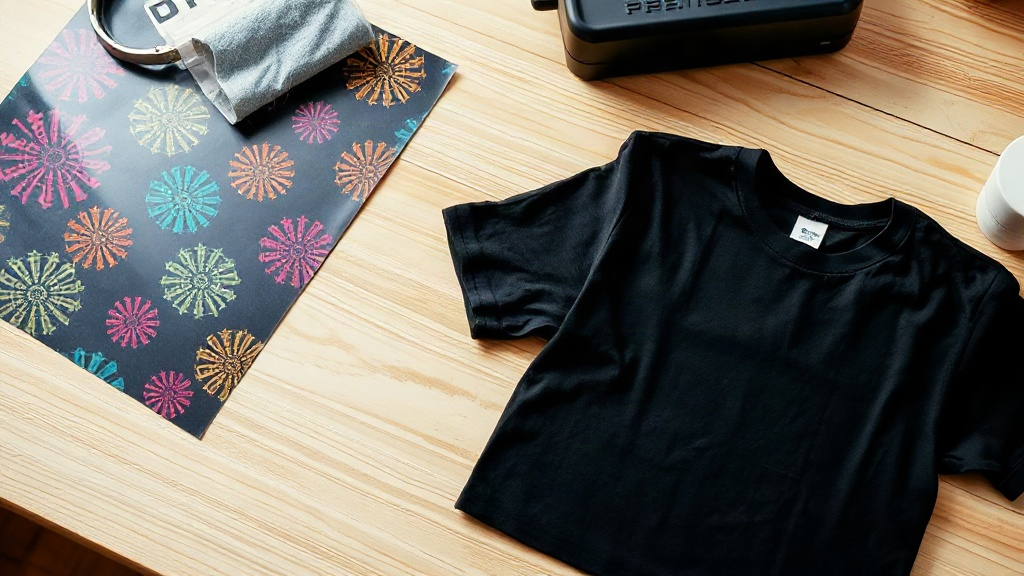
If you've ever pulled a heat press open only to find a cracked, faded, or off-color print, you know the frustration. The culprit is often not your transfer or your press settings, but the blank itself. Enter smart blanks: garments engineered with the right fiber blend, weight, and finish to make DTF transfers look their absolute best. In this post, we'll explore why Shaka Wear has become a go-to choice for crafters and small business owners, and how pairing the right blank with DTF can transform your results from amateur to professional.
Why the Blank Matters More Than You Think
DTF (direct-to-film) transfers are versatile and vibrant, but they're not magic. They need a surface that can handle the heat and adhere properly. A poor-quality blank can lead to uneven curing, premature peeling, or a print that feels like plastic. Smart blanks are designed with this in mind: they have consistent fabric density, minimal shrinkage, and a smooth surface that lets the transfer bond evenly. When you choose a smart blank, you're setting yourself up for success before you even peel the film.
What Makes a Blank "Smart"?
Smart blanks typically feature a balanced blend of cotton and polyester, often around 50/50 or 60/40. This ratio gives you the softness of cotton with the durability and color retention of polyester. They also undergo special finishing processes to reduce pilling and create a uniform surface. Additionally, smart blanks are pre-shrunk, so your finished product won't surprise your customer with a size change after the first wash. These characteristics are exactly what DTF transfers need to shine.
Shaka Wear: A Cut Above the Rest
Shaka Wear has earned a loyal following among screen printers and DTF enthusiasts alike. Their blanks are known for their heavyweight construction, tight knit, and exceptional color consistency. Whether you're printing a single custom tee or a bulk order for a team, Shaka Wear delivers reliability. Their tees hold up well to the heat of a press, and the smooth surface ensures that every detail of your DTF transfers comes through crisply.
Why Shaka Wear Works So Well with DTF
One of the main reasons Shaka Wear pairs perfectly with DTF is their fabric composition. Many of their popular styles, like the SHAKA Heavyweight Tee, are 100% cotton or a cotton-poly blend that accepts the adhesive powder used in DTF printing. The tight weave prevents the transfer from sinking into the fabric, which can cause a dull or textured appearance. Instead, the print sits on top, delivering bold, opaque colors that pop. Plus, Shaka Wear's blanks are available in a wide range of sizes and colors, giving you creative freedom without compromising quality.
Choosing the Right Smart Blank for Your Project
Not all smart blanks are created equal, and the best choice depends on your specific application. Here are key factors to consider:
- Fabric content: For the most vibrant DTF results, aim for a high cotton count (100% cotton or a blend with at least 50% cotton). Polyester can be used, but it may require lower pressing temperatures to avoid dye migration.
- Weight: Heavier fabrics (like 5.5 oz and up) tend to provide a more premium feel and better opacity for your transfer. Lighter blanks may require a higher pressure to get good adhesion.
- Color: Light-colored blanks are forgiving, but if you're printing on dark colors, ensure your DTF transfer includes a white underbase. Smart blanks with a smooth, dark surface can still yield great results with proper settings.
- Weave: A tight, uniform weave is crucial. Loosely woven fabrics can let the transfer adhesive seep through, leading to a rough texture and poor washability.
When in doubt, request fabric swatches or test a sample shirt before committing to a large order. A little experimentation saves a lot of wasted transfers.
Step-by-Step: Applying DTF Transfers to Shaka Wear Blanks
Getting a perfect press doesn't have to be complicated, but it does require attention to detail. Follow these steps for consistent results:
- Pre-press the garment: This removes moisture and wrinkles. Set your press to 320°F (160°C) and press for 5-7 seconds. Let it cool slightly before applying the transfer.
- Position the transfer: Place your DTF transfer with the printed side up. Use heat tape if needed to keep it in place.
- Press: Apply medium to firm pressure for 15-20 seconds at 320°F. Avoid using too much pressure, which can cause the image to spread.
- Peel: Wait for the transfer to cool completely (cold peel) or until it's warm to the touch (warm peel). Most DTF transfers today are cold peel, but always check the instructions from your supplier.
- Post-press: For added durability, cover the design with parchment paper and press again for 5-10 seconds. This ensures the adhesive fully cures.
Remember, every heat press is different. Calibrate yours with a temperature gun and test with a scrap blank to dial in the perfect settings.
Common Pitfalls and How to Avoid Them
Even with smart blanks and Shaka Wear, things can go wrong. Here are a few common issues and their solutions:
- Peeling after wash: This usually means the transfer wasn't pressed long enough or with enough pressure. Increase dwell time or pressure slightly.
- Cracking: Often caused by stretching the garment while hot. Let it cool completely before handling.
- Dull colors: If your print looks muted, you might be pressing at too high a temperature, which can scorch the fabric or degrade the ink. Lower the temperature and check.
- Adhesive residue: If you see a glossy outline, you likely used too much pressure or didn't pre-press. Pre-pressing is key.
By choosing quality blanks and following best practices, you'll minimize these issues and produce professional-grade apparel.
SSS: Smart Blanks and DTF Transfers
Can I use DTF transfers on 100% polyester Shaka Wear shirts?
Yes, but you'll need to adjust your settings. Polyester is sensitive to heat, so lower the temperature to around 280-300°F and use light pressure. Also, be aware of dye migration: choose a DTF transfer with a gray or black backing to prevent the shirt's color from bleeding through.
How do I wash a shirt with a DTF transfer to make it last?
Turn the garment inside out and wash in cold water with mild detergent. Avoid fabric softeners and bleach. Tumble dry on low or hang dry. Following these steps will keep your print looking new for 50+ washes.
What's the best Shaka Wear style for DTF printing?
The SHAKA Heavyweight Tee (style SHAKA) is a top pick due to its 100% cotton construction and tight knit. For a softer feel, the SHAKA Premium Tee is also excellent. Both provide a smooth canvas that DTF transfers love.
Do I need a special printer for DTF transfers?
Yes, DTF printing requires a dedicated DTF printer, DTF ink, and transfer film. However, you can also buy pre-printed DTF transfers from suppliers and apply them with a standard heat press. This is a great option if you're just starting out.
How can I tell if a blank is a "smart blank"?
Look for descriptions that mention pre-shrunk, tight weave, and consistent fabric. Reputable brands like Shaka Wear often label their blanks as suitable for DTF. Reading reviews from other crafters can also help you identify smart blanks.