
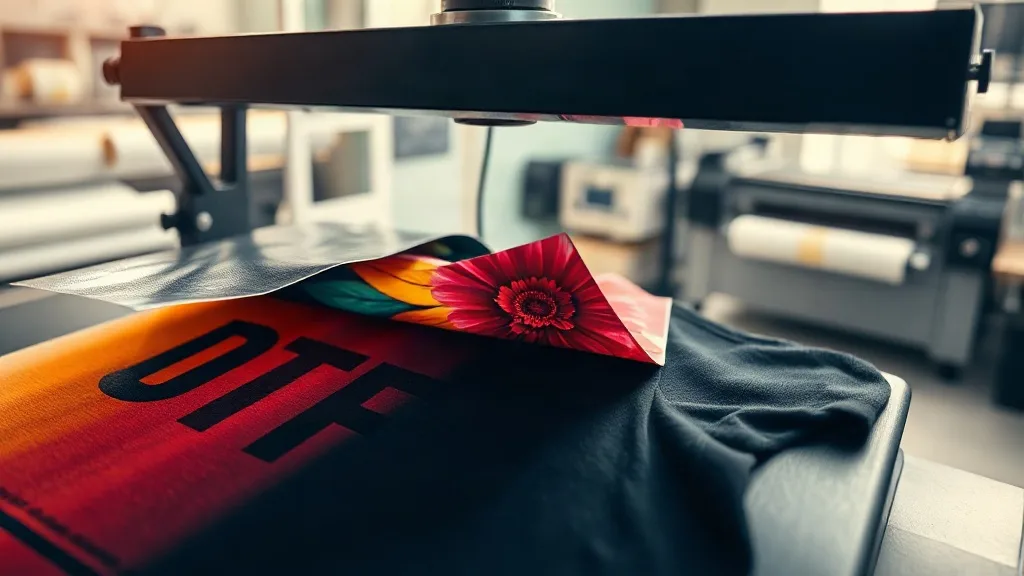
If you've been exploring custom apparel printing, you've likely encountered dtf printing. This innovative method is transforming how businesses and hobbyists create vibrant, durable designs on fabric. Unlike traditional techniques, DTF offers unmatched versatility and simplicity. In this guide, we'll dive deep into DTF transfers, covering everything from the science behind them to practical application tips. By the end, you'll understand why DTF is becoming a go-to solution for printing on diverse materials.
What Are DTF Transfers?
DTF stands for Direct to Film. It's a printing process where your design is printed onto a special film, coated with adhesive powder, and then heat-pressed onto fabric. The result is a soft, stretchable print that bonds permanently. DTF transfers are the sheets you use to apply designs. They come in rolls or pre-cut sheets, ready for pressing. This method eliminates the need for weeding or layering, making it faster and more efficient than vinyl or screen printing.
The DTF Printing Process
Here's how it works: First, a digital printer prints your design onto a PET film using special inks. Then, a powdered hot-melt adhesive is applied over the wet ink. After shaking off excess powder, the film is heated to melt the adhesive. Once cooled, the transfer is ready. When you press it onto fabric, the adhesive bonds with the fibers, and the film is peeled away (hot or cold peel), leaving the design behind.
Why Choose DTF Transfers?
There are several compelling reasons to consider DTF for your next project.
- Versatility: DTF works on almost any fabric, including cotton, polyester, blends, and even leather. No need for pre-treatment.
- Durability: The prints resist cracking, peeling, and fading, even after multiple washes.
- Detail and Color: DTF can reproduce intricate details and vibrant colors, including gradients and photographs.
- No Weeding: Unlike vinyl, there's no tedious weeding process, saving time and labor.
- Cost-Effective for Short Runs: Ideal for small batches and custom orders without setup fees.
How to Apply DTF Transfers
Applying DTF transfers is straightforward, but following the right steps ensures a professional finish.
- Preheat Your Heat Press: Set the temperature to around 300-320°F (150-160°C).
- Position the Transfer: Place the transfer on the garment with the design facing up.
- Press: Apply medium pressure for 10-15 seconds.
- Peel: Wait a few seconds, then peel the film off. You can do a hot peel or cold peel depending on the film type.
- Post-Press: For added durability, press again for 5-10 seconds with a protective sheet.
Common Mistakes to Avoid
Even though DTF is forgiving, some pitfalls can affect quality. Avoid these:
- Using too little pressure, which prevents proper adhesion.
- Pressing at the wrong temperature, leading to incomplete transfer.
- Peeling too quickly or at the wrong temperature.
- Not pre-pressing the garment to remove moisture and wrinkles.
DTF vs. Other Printing Methods
How does DTF stack up against DTG, screen printing, and vinyl? Let's compare.
DTF vs. DTG
DTG (Direct to Garment) prints directly onto fabric, but it requires pre-treatment and works best on 100% cotton. DTF, on the other hand, works on any fabric and often produces more vibrant colors. DTF also has lower startup costs.
DTF vs. Screen Printing
Screen printing is cost-effective for large orders but requires setup and is limited in color complexity. DTF excels in detailed, multi-color designs and short runs.
DTF vs. Vinyl
Vinyl is great for simple designs but can't handle complex images. DTF offers full-color, photographic quality without weeding.
Choosing the Right DTF Supplies
Not all DTF films and powders are created equal. Look for high-quality films that release cleanly and powders with a low melting point for better adhesion. Also, consider the ink type: pigment inks are standard, but some systems use dye-based inks. For best results, use a dedicated DTF printer or convert an existing printer with a DTF kit.
Frequently Asked Questions
How long do DTF transfers last?
With proper application and care, DTF prints can last 50+ washes without significant fading or cracking. Always wash inside out in cold water and avoid bleach.
Can I use DTF on dark fabrics?
Yes! DTF transfers include a white ink layer that makes designs pop on dark colors. No need for a separate white underbase.
Do I need a special printer for DTF?
You can use a dedicated DTF printer or convert an Epson printer with DTF inks and film. However, dedicated printers are optimized for the process.
What fabrics work best with DTF?
DTF works on cotton, polyester, blends, nylon, leather, and more. It's especially useful for polyester, which can be tricky with other methods.
Is DTF eco-friendly?
DTF uses water-based inks and no solvents, making it more environmentally friendly than some alternatives. However, the film and powder are plastic-based, so disposal should be considered.
DTF transfers are a game-changer for custom apparel. Whether you're a small business owner or a DIY enthusiast, this technology offers flexibility, durability, and stunning results. Explore the possibilities and elevate your creations with DTF.