
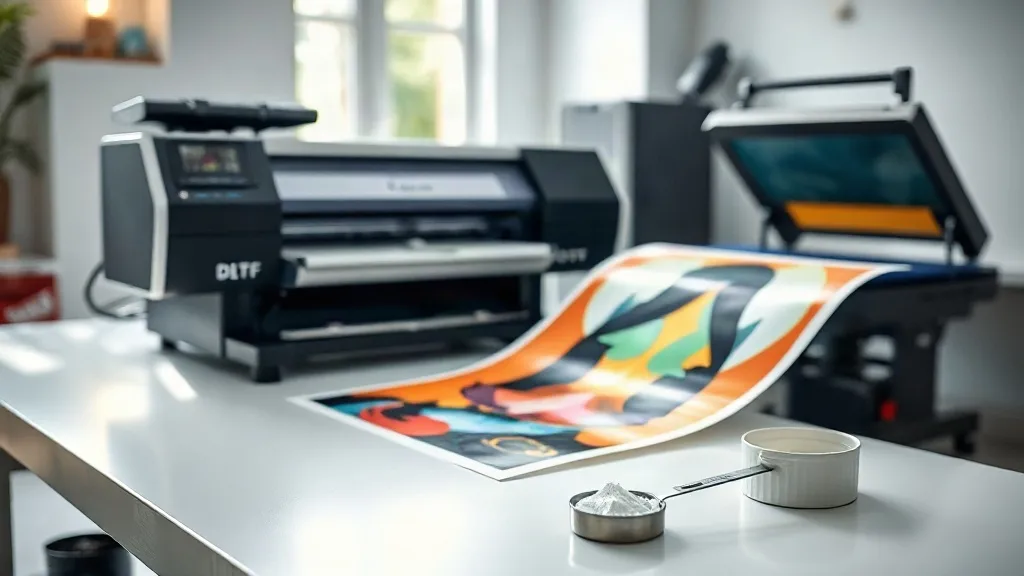
If you've spent any time in the custom apparel world lately, you've probably heard the buzz around dtf transfers. This printing method has exploded in popularity for good reason: it delivers vibrant, full-color designs on cotton, polyester, blends, and even tough-to-print fabrics like nylon, all without the setup costs of screen printing or the fabric restrictions of traditional vinyl. Whether you're a small shop owner looking to expand your offerings or a hobbyist curious about the process, understanding how dtf works is the first step toward producing prints that look professional and hold up wash after wash.
What Are DTF Transfers, Exactly?
DTF stands for Direct to Film. Unlike DTG (Direct to Garment) printing, which prints ink directly onto a shirt, DTF printing involves printing your design onto a special PET film, coating it with a thermoplastic adhesive powder, and then curing it. The result is a flexible, transferable decal that you can heat press onto fabric whenever you're ready.
The beauty of this process lies in its versatility. Because the design lives on a film rather than directly on the fabric, you're not limited by the material composition of the garment. Cotton, polyester, 50/50 blends, canvas, denim, leather, and even some synthetic performance fabrics can all accept a DTF transfer with excellent results. That flexibility alone makes it a compelling option for shops that handle a wide variety of orders.
The DTF Process Step by Step
Understanding each stage of the process helps you troubleshoot when something goes wrong and gives you a baseline for consistent quality. Here's how the workflow breaks down.
1. Design Preparation
Everything starts with your artwork. You'll need a high-resolution file, ideally 300 DPI, with clean edges and transparent backgrounds where appropriate. Most RIP software will handle color separations automatically, but it's worth reviewing your file for stray pixels or unintended gradients before you print. A few minutes of prep here saves wasted film and powder later.
2. Printing onto Film
Your printer lays down a layer of white ink followed by the color layer (or the reverse, depending on your setup). The white ink acts as an opaque base, which is what allows DTF prints to show up vividly on dark garments. Getting the white ink laydown right is critical. Too little and colors look washed out on dark fabrics; too much and the print feels thick and stiff.
3. Powder Application
While the ink is still wet, you apply a fine layer of hot-melt adhesive powder. The powder sticks to the wet ink and creates the bonding layer that will eventually adhere to your fabric. Shake off the excess gently and evenly. Uneven powder distribution is one of the most common causes of patchy adhesion and premature peeling.
4. Curing
The powdered film then goes through a curing oven or under a heat source to melt the powder into the ink. This step transforms the powder from loose granules into a smooth, flexible adhesive layer. Proper curing temperature and time are essential; undercured powder won't bond properly, and overcured film can become brittle.
5. Heat Pressing
Finally, you press the cured transfer onto your garment. Temperature, pressure, and time all matter here, and the right settings depend on your fabric and press. A typical starting point is around 300 to 320 degrees Fahrenheit for 10 to 15 seconds at medium pressure, but always test on a scrap piece first.
Why Choose DTF Over Other Methods?
Each printing method has its strengths, but DTF fills a specific gap that many shops find invaluable.
- No fabric restrictions: Unlike DTG, which works best on 100% cotton, DTF adheres to almost any fabric type.
- No setup costs: There are no screens to burn or plates to make, so short runs and one-off designs are economically viable.
- Full-color capability: Photographic images, gradients, and complex multi-color designs print without additional cost.
- Storage and repeatability: You can print transfers in bulk and store them for later use, pressing them on demand.
- Vibrant results on dark garments: The white ink base ensures colors pop even on black or navy shirts.
For shops that handle a mix of small orders, custom requests, and varied fabric types, DTF often becomes the workhorse of the operation. It's also a practical entry point for newcomers who want to offer garment decoration without investing in expensive screen printing equipment.
Materials That Matter
The quality of your output depends heavily on the quality of your inputs. Here's what to pay attention to.
Film
Not all PET film is created equal. Cheap film can warp, jam in the printer, or release the ink poorly during pressing. Look for film that's specifically designed for DTF printing, with a consistent coating that accepts ink evenly.
Ink
DTF inks are formulated specifically for the process, with pigments and binders that work with the powder adhesive. Using the wrong ink can lead to poor curing, cracking, or faded prints after washing.
Powder
The adhesive powder is the unsung hero of the DTF process. Particle size, melting point, and consistency all affect how well your transfer bonds and how soft it feels on the garment. Finer powders generally produce a softer hand, while coarser powders may bond more aggressively but feel thicker.
Getting Consistent Results
Consistency is what separates a professional operation from a frustrating hobby. Here are a few habits worth building into your workflow.
- Keep a log. Record your press settings, cure times, and powder batch numbers. When something works well, you'll want to replicate it exactly.
- Test every new material. A new shirt blank, a new film brand, or a new powder batch deserves a test press before it goes into a customer order.
- Control your environment. Humidity affects how powder behaves. If you're in a damp climate, store powder in sealed containers and consider a dehumidifier for your work area.
- Inspect before you press. Check cured transfers for bare spots, uneven powder, or smudged ink before they touch a garment.
When you're sourcing supplies or looking for a service to handle printing for you, searching for dtf transfers near me can connect you with local providers who understand the nuances of the process and can advise on settings for your specific equipment.
Common Questions About DTF
Newcomers tend to have similar questions when they first explore this method. Here are answers to the ones that come up most often.
How long do DTF prints last?
A properly pressed DTF transfer on a compatible fabric typically survives 50 or more washes when cared for correctly. Washing inside out in cold water and avoiding high-heat drying will significantly extend the life of the print.
Can I use DTF on 100% polyester?
Yes, and it performs quite well on polyester. However, polyester is heat-sensitive, so you'll want to use lower pressing temperatures or a pressing pillow to avoid scorching or dye migration from the fabric into the print.
Do I need special equipment to start?
At minimum, you'll need a DTF printer, a curing oven or heat source, a heat press, film, ink, and powder. Some beginners start by ordering pre-printed transfers and pressing them themselves, which lowers the barrier to entry considerably.
Why do my prints feel stiff?
Stiffness usually comes from too much powder or an overly thick white ink layer. Reducing powder application and dialing in your ink laydown can produce a much softer hand feel.
Is DTF more expensive than vinyl?
For simple one-color designs in small quantities, vinyl can be cheaper. But for full-color, complex designs or larger runs, DTF often wins on cost per unit because there's no weeding, no wasted material, and no setup time.
Final Thoughts
DTF printing has earned its place in the custom apparel toolkit by solving problems that other methods can't. It's flexible, cost-effective for short runs, and capable of producing genuinely impressive results when you pay attention to the details. Start with quality materials, keep good records of what works, and don't skip the test press. Do those three things, and you'll be well on your way to prints that customers are happy to wear and wash for years to come.