
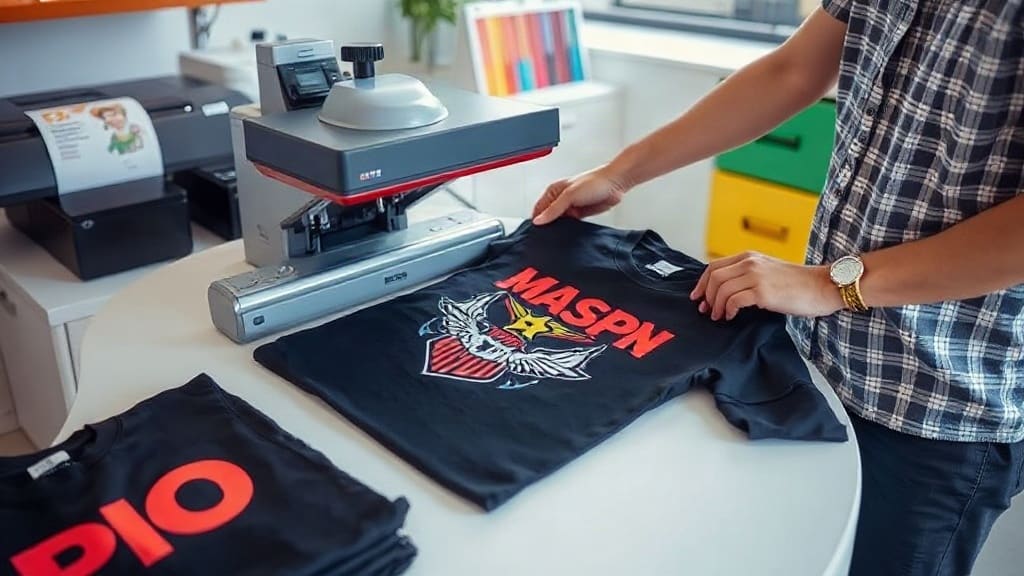
If you've been in the custom apparel game for a while, you've probably heard about DTF transfers. They're everywhere, and for good reason. Whether you're a small business owner, a print-on-demand enthusiast, or someone who loves making personalized gifts, DTF transfers offer a modern, efficient way to bring your designs to life. Unlike traditional methods like screen printing, DTF is flexible, colorful, and surprisingly easy to use, even for beginners. Let's dive into what makes them so special and how you can harness their potential.
What Are DTF Transfers?
DTF stands for Direct to Film. It's a printing method where your design is printed onto a special PET film using a DTF printer and pigment-based inks. The printed film is then covered with an adhesive powder, which is melted to create a sticky layer. When you're ready to apply, you place the film onto your garment, apply heat and pressure with a heat press, and peel away the film. The result is a vibrant, durable design that feels soft to the touch.
Why DTF Transfers Are a Game-Changer
There are several reasons why DTF transfers have become so popular among apparel decorators:
- Versatility: Unlike vinyl, which only works with solid colors, DTF can reproduce intricate, multi-colored designs with gradients and shading. You can print anything from a simple logo to a complex photo-like image.
- No Weeding Required: With vinyl, you have to meticulously weed out the excess material. DTF eliminates this step entirely, saving you hours of tedious work.
- Works on Many Fabrics: DTF transfers adhere to cotton, polyester, blends, and even nylon. This makes it a go-to choice for a wide range of products, from t-shirts to tote bags to hoodies.
- Soft Hand Feel: The prints have a minimal texture, so the design doesn't feel like a heavy sticker on the shirt. It stretches with the fabric without cracking.
- Cost-Effective for Small Runs: If you're printing a handful of shirts, DTF is much more affordable than screen printing, which has high setup costs. You can print one or one hundred without worrying about minimums.
How to Use DTF Transfers: A Step-by-Step Guide
Using DTF transfers is straightforward, but like any printing method, it requires some know-how to get perfect results.
Step 1: Prepare Your Design
Create or source a high-resolution design. Keep in mind that DTF prints are often brighter on dark garments if you add a white underbase layer. Most DTF software will handle this automatically, but if you're outsourcing your transfers, make sure your file is in the right format, typically PNG with a transparent background.
Step 2: Print and Powder
If you're printing yourself, load your PET film into your printer and print your design. Immediately after printing, you need to apply the adhesive powder while the ink is still wet. Cover the entire image with powder, then shake off the excess. The powder particles stick to the wet ink, leaving a clean film around your design.
Step 3: Cure the Adhesive
Place the powdered film into a heat press or a curing oven at around 160°C (320°F) for about 30 seconds. This melts the powder, creating a strong adhesive layer. Let the film cool completely before handling.
Step 4: Apply to Garment
Pre-press your garment for a few seconds to remove wrinkles and moisture. Then, place your DTF transfer face down (or face up, depending on the instructions) onto the garment. Cover it with a Teflon sheet or parchment paper to protect the film. Press at 160°C (320°F) with medium pressure for 15-20 seconds. Let the garment cool slightly, then peel the film away. For best results, peel while warm for a matte finish or cold for a glossy one.
Tips for Flawless DTF Transfers
Getting great results every time takes practice. Here are some tips I've picked up along the way:
- Test on a sample: Always run a test print on a scrap piece of fabric to check colors and adhesion before doing a batch.
- Use a heat press, not an iron: While some DTF transfers can be applied with a home iron, a heat press ensures even pressure and temperature, leading to better durability.
- Mind your pressure: Too little pressure won't bond the adhesive properly, while too much can cause ghosting or bleeding. Medium to firm pressure is usually ideal.
- Wash inside out: Advise your customers to wash garments inside out in cold water and dry on low heat to extend the life of the print.
DTF Transfers vs. Other Methods
How does DTF stack up against alternatives like screen printing, vinyl, and sublimation? Let's compare.
DTF vs. Screen Printing
Screen printing is excellent for large orders with simple designs, but it has high setup costs and isn't practical for small quantities. DTF shines when you need one or two shirts or a variety of designs. It also handles full-color prints with ease, while screen printing requires multiple screens.
DTF vs. Vinyl
Vinyl is great for flat, solid-color designs, but it's limited in color and detail. DTF offers full-color possibilities without the weeding hassle. However, vinyl is still cheaper for very simple text designs.
DTF vs. Sublimation
Sublimation only works on polyester fabrics and leaves a permanent, vibrant print. DTF works on cotton and blends, but the print is on the surface. If you're working primarily with polyester sportswear, sublimation might be better. For everything else, DTF is more versatile.
How to Choose the Right DTF Transfer Provider
Not all DTF transfers are created equal. If you're outsourcing, look for a provider that uses high-quality inks and films. Check for reviews, ask for samples, and consider their turnaround time. At dtfmode.com, we take pride in our vibrant, durable transfers that are ready to press. We offer custom sizes and a wide range of colors, ensuring your designs pop.
Creative Applications for DTF Transfers
The possibilities with DTF transfers are endless. Here are a few ideas to spark your creativity:
- Custom team jerseys: With DTF, you can print names, numbers, and even logos in full color.
- Personalized gifts: Create unique t-shirts for birthdays, anniversaries, or holidays with photos and messages.
- Workwear branding: Add your company logo to polo shirts, hoodies, and even caps (with the right attachment).
- Pet apparel: Make cute shirts for dogs and cats, as long as the fabric is suitable.
Common Mistakes to Avoid
Even seasoned pros make mistakes. Here are some pitfalls to avoid:
- Skipping the pre-press: If your garment has moisture or wrinkles, your transfer might not adhere properly.
- Using the wrong temperature: Too low, and the adhesive won't activate; too high, and you might scorch the fabric. Always check the recommended settings.
- Peeling too early: If you peel while the film is too hot, you risk lifting the design. Wait a few seconds for the right consistency.
- Ignoring care instructions: If you or your customers don't follow care instructions, the print might crack or fade prematurely.
Care and Maintenance of DTF Prints
To ensure your DTF prints last, it's essential to care for them properly. Here are some guidelines to pass along to your customers or follow yourself:
- Turn garments inside out before washing to protect the design.
- Use cold or warm water, not hot.
- Avoid bleach and fabric softeners, which can degrade the adhesive.
- Tumble dry on low heat or hang dry.
- Do not iron directly on the design; use a pressing cloth if needed.
Frequently Asked Questions
Can DTF transfers be used on dark fabrics?
Yes, one of the biggest advantages of DTF is its ability to print on both light and dark fabrics. The white underbase ensures your colors stay vibrant and opaque.
How many washes do DTF transfers last?
With proper care, DTF prints can withstand over 100 washes without significant fading or cracking. The key is to use quality materials and correct application.
Do I need a special printer for DTF transfers?
Yes, you need a DTF printer that uses pigment inks and can print white ink. These are different from standard inkjet printers. However, if you're not ready to invest, you can order custom DTF transfers from a provider.
Are DTF transfers eco-friendly?
DTF transfers produce less waste compared to screen printing, as there's no need for screens and cleanup. However, the PET film and powders are not biodegradable. Some companies offer recyclable film options.
Can I use DTF transfers on materials other than fabric?
While DTF is designed for fabrics, some people have successfully applied it to hard surfaces like wood or ceramic with special adhesives. It's best to experiment and test before committing.
Conclusion
DTF transfers have revolutionized the custom apparel industry, offering an accessible, versatile, and high-quality printing solution. Whether you're a hobbyist or a professional, embracing DTF can open up new creative avenues and streamline your production process. If you're ready to dive in, start with high-quality transfers from a trusted source, experiment with different fabrics, and don't be afraid to test your limits. The world of DTF is vast, and the possibilities are only limited by your imagination.