
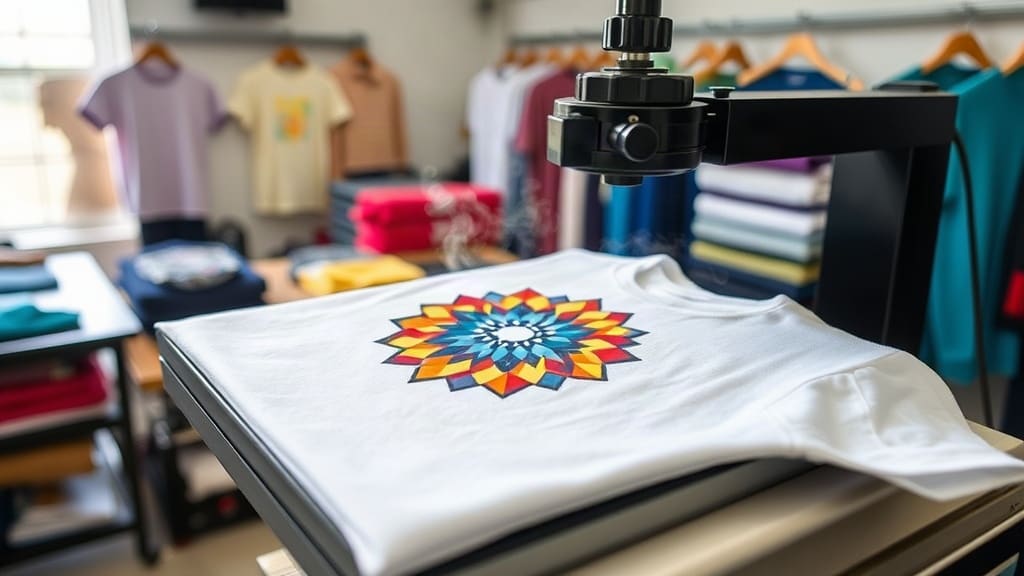
If you've been searching for DTF printing solutions, you might have typed "DTF transfers near me" into your browser, hoping to find a local shop that can bring your custom designs to life. Whether you're a small business owner, a hobbyist, or just someone with a creative idea, DTF (Direct to Film) transfers offer a flexible and vibrant way to print on garments and other materials. In this guide, I'll share my experience with DTF printing, explain what to look for in a provider, and help you get the most out of your custom printing projects.
What Are DTF Transfers and Why Are They So Popular?
DTF transfers are a printing method where a design is printed onto a special film, coated with adhesive powder, and then heat-pressed onto a fabric. Unlike traditional screen printing or heat transfer vinyl, DTF allows for detailed, full-color designs without the need for separate color layers or complex setups. This makes it ideal for small batches, custom orders, and even single items.
I remember the first time I used a DTF transfer on a cotton t-shirt. The colors were incredibly vibrant, and the print felt soft to the touch, unlike the thick, rubbery feel of some other methods. Since then, DTF has become my go-to for custom apparel, and I've seen it transform many small businesses that need quick, high-quality prints.
Why Choose Local DTF Transfer Services?
When you search for "DTF transfers near me," you might be wondering if it's better to work with a local provider or order online from a distant company. Here are some benefits of finding a local DTF service:
- Faster Turnaround: Local providers often have quicker turnaround times because there's no shipping delay. You can often pick up your transfers in person.
- Personal Consultation: You can discuss your project face-to-face, show samples, and get immediate feedback on design and color choices.
- Support Local Economy: By choosing a local business, you're helping your community thrive.
- Easier Problem Solving: If any issues arise, you can easily visit the shop and resolve them in person.
However, not all local providers are created equal. It's essential to evaluate their quality and services before making a decision.
How to Find the Best DTF Transfers Near You
Finding a reliable provider requires a bit of research. Here are some steps I recommend:
1. Search Online and Read Reviews
Start with a simple search for "DTF transfers near me." Look at the search results and visit their websites. Pay attention to customer reviews on Google, Yelp, or social media. Look for patterns in feedback: Do they praise the print quality? Is the turnaround time reasonable? Are there any recurring complaints?
2. Ask for Samples
A reputable provider should be willing to show you samples of their work. If they hesitate, that's a red flag. Ask to see prints on different fabric types, especially the ones you plan to use. Look for color accuracy, edge sharpness, and wash durability.
3. Inquire About Their Equipment and Materials
Good DTF printing relies on high-quality printers, films, inks, and adhesives. Ask them what brands they use and how they ensure quality. For instance, some providers use white ink printers with proper curing processes, which is crucial for vibrant colors on dark garments.
4. Compare Pricing
While cost shouldn't be the only factor, it's important to compare prices among different local providers. Be wary of extremely low prices, as they might indicate subpar materials or rushed work. On the other hand, high prices don't always guarantee quality. Look for a balance that fits your budget.
5. Check Their Turnaround Time
If you have a deadline, ask about their typical turnaround. Some shops offer same-day or next-day services for small orders, which can be a huge advantage.
What to Expect from High-Quality DTF Transfers
When you receive your transfers, there are a few things to check to ensure they meet your expectations:
- Color Vibrancy: The colors should be rich and accurate to your design, with no fading or dullness.
- Edge Definition: Look for crisp edges, especially around intricate details. Blurry or jagged lines indicate poor printing.
- Film Quality: The film should be easy to peel after pressing, and the adhesive should be evenly applied.
- Washability: A good DTF transfer should withstand multiple washes without cracking, peeling, or fading. Ask for washing instructions.
I once ordered a batch of transfers from a local shop that looked great initially, but after the first wash, some designs started to crack. That taught me to always test a sample before committing to a large order.
How to Apply DTF Transfers: A Step-by-Step Guide
Once you have your transfers, proper application is key to achieving a professional finish. Here's a simple process that works for most materials:
- Pre-press the garment: Heat press the fabric for a few seconds to remove moisture and wrinkles.
- Position the transfer: Place the film face down on the garment, making sure it's centered and smooth.
- Press with heat: Use a heat press (not a home iron) set to the recommended temperature (usually around 320°F or 160°C). Apply firm pressure for about 15 seconds.
- Peel the film: While the transfer is still warm, peel the film off slowly. If it's hot, you can do a hot peel; if it's cool, a cold peel. Check the manufacturer's instructions.
- Final press: Some recommend a quick second press with a protective sheet to ensure the adhesive is fully set.
Experiment with a scrap piece of fabric first to get the timing right, as different materials may require adjustments.
Common Mistakes to Avoid When Using DTF Transfers
Even with high-quality transfers, mistakes can happen. Here are some pitfalls I've encountered and learned to avoid:
- Using a Home Iron: A home iron doesn't provide even pressure or temperature control, leading to uneven adhesion. Invest in a heat press if you're serious about DTF.
- Incorrect Temperature or Time: Too little heat and the adhesive won't bond; too much heat and you might scorch the fabric. Follow the recommended settings closely.
- Not Pre-pressing: Moisture in the fabric can cause bubbles or poor adhesion. Always pre-press.
- Peeling Too Early: If you peel hot when you should peel cold, you might pull off some of the design. Follow the instructions.
DTF Transfers for Business: How to Scale Your Production
If you're running a business, DTF transfers can be a game-changer. They allow you to offer custom products without needing to own expensive printing equipment upfront. Here's how to leverage them:
- Start with a Local Provider: Build a relationship with a reliable local shop. As your order volume grows, you can negotiate better prices.
- Offer a Wide Range of Products: DTF works on various fabrics, including cotton, polyester, blends, and even some hard surfaces like bags and caps.
- Keep a Stock of Popular Designs: To speed up turnaround, consider keeping a small inventory of your best-selling designs as ready-to-press transfers.
Many small apparel brands started by using DTF transfers and later invested in their own printers as sales increased. The low initial investment makes it an attractive option for testing the market.
Frequently Asked Questions About DTF Transfers
What is the difference between DTF and sublimation?
Sublimation requires polyester fabrics and white polyester coating for light colors, while DTF can print on cotton and dark fabrics with a white base layer. DTF is more versatile for different fabric types.
How long do DTF transfers last?
With proper application and care, DTF prints can last as long as the garment itself. They should withstand 50+ washes without significant fading or cracking if applied correctly.
Can DTF transfers be used on dark shirts?
Yes, DTF is excellent for dark shirts because it prints a white underbase, making colors pop. Just ensure the transfer is applied with enough heat and pressure.
Do I need a special printer for DTF?
Yes, DTF printing requires a printer that can handle white ink and special films. Most professional DTF services use Epson or Ricoh printers modified for DTF.
Can I use DTF transfers at home?
While it's possible to apply DTF transfers at home, you need a heat press for best results. If you're a beginner, consider starting with a small heat press and practice on scrap fabric.
Final Thoughts: Making the Right Choice
Finding the best DTF transfers near me is about more than a quick search; it's about building a partnership that ensures your prints are consistent and high-quality. Take the time to research local providers, ask for samples, and test small orders before committing to larger projects. Remember, the cheapest option isn't always the best, and a good provider will be happy to answer your questions and guide you through the process.
If you're ready to start your DTF journey, reach out to local shops, compare their offerings, and don't hesitate to ask for advice. With the right partner, you can create stunning custom apparel that delights your customers and grows your brand.
So, the next time you search for "DTF transfers near me," you'll know exactly what to look for and how to get the best results. Happy printing!