
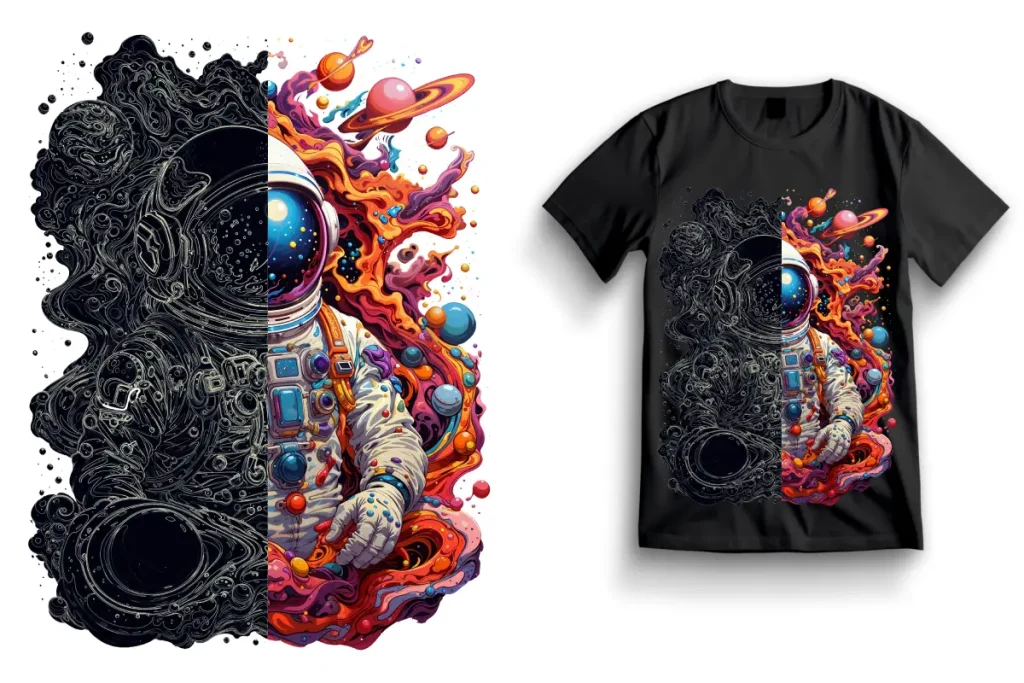
Stepping into the custom apparel world can feel like learning a completely new language overnight. If you have been looking for vivid, wash-resistant, and stretchable designs that do not require massive minimum order sizes, you have likely crossed paths with dtf transfers. This modern printing framework has fundamentally changed how independent designers, local clothing lines, and corporate merchandise coordinators execute their visions. Instead of dealing with the rigid setups of screen printing or the fabric limitations of direct-to-garment systems, modern creators are turning to film-based heat applications to keep their production workflows moving smoothly.
The Structural Science of Premium Fabric Transfers
To truly appreciate the value of professional garment decoration, it helps to understand what goes on beneath the surface of a finished print. The DTF process relies on printing a digital graphic onto a specialized polyethylene terephthalate (PET) film using highly flexible textile inks. Directly after the ink is laid down, a unique hot-melt polyurethane adhesive powder is applied to the wet surface and cured under precise heat conditions. When you place this cured sheet onto a blank garment and apply heat, the powder melts and creates a permanent, fibrous bond with the textile yarns.
This structural approach solves the age-old problem of ink cracking and color bleeding. Traditional printing methods often struggle with dark-colored polyester or heavy blended fleece because the synthetic dyes in the fabric tend to seep into the print over time. Premium film applications utilize an advanced, opaque white ink base layer that acts as a physical shield. This mechanical barrier ensures that whether you are pressing onto a bright neon canvas or a deep midnight black polyester hoodie, your colors remain incredibly true to your original digital file without absorbing the base fabric’s hue.
Key Indicators of Commercial-Grade Print Integrity
Not all transfers on the market behave the same way under pressure, and any experienced shop manager will tell you that cutting corners on raw materials leads directly to customer complaints. When evaluating your supply chain, it is critical to look beyond the initial visual appeal and focus on the technical composition of the prints. High-grade systems stand out across several performance benchmarks:
- Elasticity and Tensile Recovery: When you stretch a custom t-shirt across the chest, the graphic should expand naturally and snap back into place without developing fine hairline fractures. Lower-grade powders dry brittle, whereas premium polyurethane blends retain their elastomeric memory through hundreds of wears.
- The Texture Factor: A common complaint among apparel decorators is the heavy, plasticky shield feeling that some prints leave on a shirt. Industrial-grade formulations minimize this issue, providing a thin, breathable, and soft-hand feel that drapes naturally with the fabric rather than fighting against it.
- Wash Calibration: Professional setups utilize high-viscosity inks and balanced adhesive melting points. This careful calibration ensures the final print can easily survive over fifty domestic laundry cycles without peeling at the edges or losing its original color saturation.
The Strategic Advantage of Keeping Production Local
In a commercial landscape where supply chains can experience unexpected global delays, relying on overseas shipping for your custom print stock is an unnecessary risk. Turning your attention to dtf transfers near me allows your business to operate with a lean, highly responsive inventory model. Instead of sinking thousands of dollars into pre-printed garments that might sit on a warehouse shelf for months, you can print on demand as your customer orders arrive.
Working with a domestic partner also drastically shortens your turnaround times. When an unexpected corporate event or a sudden local sports tournament creates an urgent need for custom apparel, waiting weeks for a shipping container is out of the question. Local sourcing empowers you to finalize digital files on a Monday and have your retail-ready transfer sheets ready for the heat press by Tuesday afternoon. This speed directly translates into happier clients and better cash flow for your business.
Navigating the Competitive Print Landscape in Texas
For apparel creators operating within major commercial corridors, the sheer volume of production options can sometimes feel overwhelming. Pinpointing the absolute best dtf transfer at Houston requires looking closely at the machinery a print provider runs. Hobbyist desktop conversion printers often struggle with ink consistency and registration accuracy over long production runs because their mechanical parts are simply not built for heavy continuous usage.
True commercial hubs utilize wide-format industrial roll printers equipped with automated ink agitation and continuous vacuum beds. The automated white ink circulation is particularly crucial; white textile ink contains heavy titanium dioxide particles that naturally settle when idle, leading to clogged printheads and uneven opacity. By choosing a facility that maintains industrial-grade equipment, you guarantee that the final sheet of your project matches the exact color profile and crisp detail of the very first sheet.
Streamlining Operations with Regional Supply Partners
For growing clothing brands and commercial embroidery shops trying to scaling their services, having a reliable regional printing partner is a game-changer. Aligning your workflow with a dependable Houston dtf transfer provider like Harwin DTF removes the logistical headaches of shipping delays and transit damages. Instead of tracking packages across the country, you get direct access to premium-grade outputs right when your production schedule demands them.
When your supplier is rooted in a major wholesale district like Harwin Drive, logistics become incredibly straightforward. You can easily manage bulk orders, drop off specific blank garments, or pick up your completed gang sheets directly without paying steep freight fees. Harwin DTF focuses heavily on using premium PET films and premium TPU powders, meaning local decorators can walk into their workshop knowing their prints will perform perfectly under the heat press every single time.
A Professional Checklist for Flawless Transfer Application
Even the most advanced commercial print can fail to perform if the final application process is rushed or executed with improper equipment calibrations. To achieve a smooth, retail-ready finish that stands the test of time, you must carefully monitor temperature, pressure, and time variables.
- Moisture Evacuation: Place your blank garment onto the lower platen of your heat press and lock it down for 5 seconds before adding the print. This vital step removes any ambient moisture or manufacturing oils hidden deep within the fabric weave, ensuring the adhesive can form a clean, uninhibited bond.
- The Initial Fuse: Align your film sheet onto the garment with the ink side facing downward. Press the shirt at 300°F to 315°F (149°C to 157°C) for 12 to 15 seconds under medium to firm pressure. Ensure your press plate provides completely flat, even distribution across the entire graphic area.
- The Cooling Phase: Carefully remove the garment from the heat press and set it aside on a clean, flat surface. Let the fabric cool completely to room temperature. Peeling the film while it is still warm can lift fine detail lines or compromise the freshly melted adhesive layer before it has fully crystallized.
- The Setting Press: Smoothly peel the clear PET film away from the garment starting from one corner. Place a piece of parchment paper or a protective silicone sheet directly over the exposed design and press it one final time for 5 seconds. This locks the graphic deep into the fabric texture and creates a clean, premium matte look.
Frequently Asked Questions About Professional Fabric Prints
Can I use a traditional craft iron for these applications?
While a home iron can work for small, casual DIY crafts, we strongly discourage it for commercial customer orders. Home irons cannot provide the perfectly uniform heat distribution or the sustained heavy downward pressure needed to properly drive the hot-melt adhesive powder into the core fibers of a garment.
Will these prints adhere properly to 100% polyester apparel?
Yes, one of the primary reasons decorators choose this specific DTF framework is its exceptional performance on synthetic materials. The low application temperature combined with premium anti-bleed adhesive powders prevents dye migration, keeping your bright whites and light pastels pristine even on deep colored polyester garments.
What is the most efficient way to wash these finished garments?
To extend the life of any custom-printed garment, turn the apparel inside out before tossing it into the washing machine. Wash using cold water on a gentle cycle with mild detergents, and avoid using harsh chlorine bleaches or high-heat dryer settings, which can slowly degrade the flexible bonds of the print over time.
How does a gang sheet help reduce overall production costs?
A gang sheet is simply a space-saving arrangement where you place multiple individual graphics, pocket logos, and custom neck labels together on a single wide roll of film. By filling up the entire printable surface area before sending it to production, you minimize material waste and significantly lower your wholesale cost per print.
Positioning Your Brand for Long-Term Growth
Building a recognizable apparel brand requires a commitment to quality that speaks for itself every time a customer puts on your clothing. Partnering with Harwin DTF gives you instant access to top-tier commercial printing standards without forcing you to invest tens of thousands of dollars into high-end machinery, ventilation setups, and daily ink maintenance. By letting Harwin DTF handle the complex technicalities of ink curing and precision color output, you free up your valuable time to focus entirely on what moves your business forward: creating stunning designs, engaging with your community, and scaling your brand footprint across the market.