
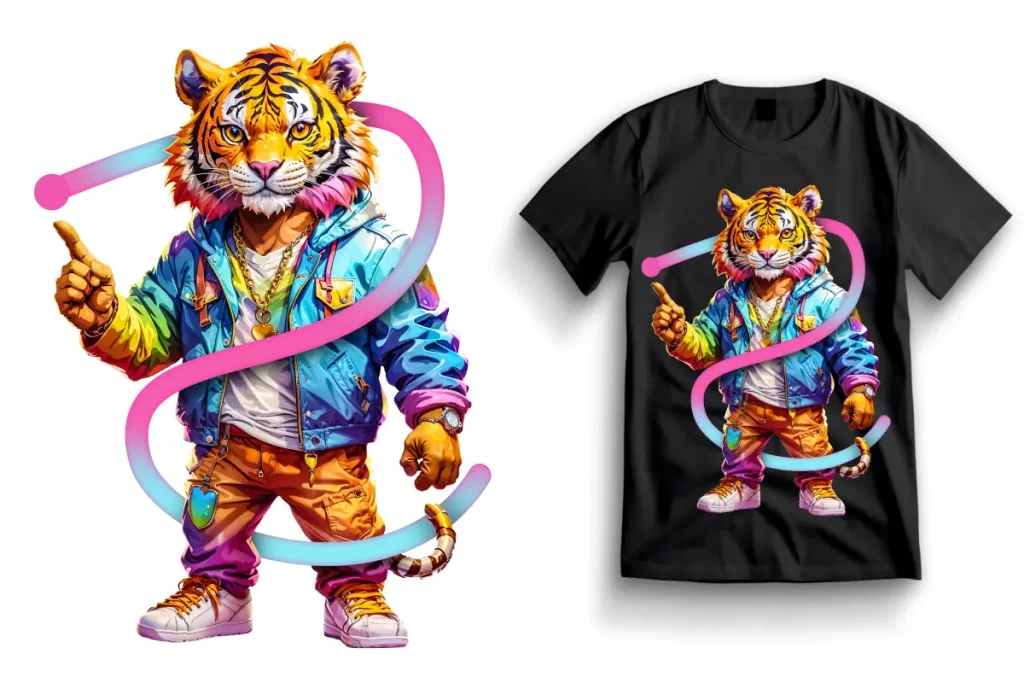
Launching a fashion label, running a busy commercial embroidery shop, or managing localized event merchandise comes with a shared operational headache: finding a garment decoration method that handles complex, multi-colored artwork without demanding astronomical setup fees. If you have been searching for a reliable way to print detailed graphics onto unpredictable fabrics without losing color vibrancy, high-quality dtf transfers offer the perfect modern solution. The days of settling for thick, heavy vinyl sheets or restrictive screen print minimums are officially over, allowing custom apparel creators to produce retail-ready garments on demand with absolute precision.
Breaking Down the Multi-Layered Print Technology
Understanding the internal mechanics of a printing system is essential before integrating it into a commercial production workflow. The DTF system represents a significant shift from traditional direct-to-garment processes because the digital ink is never jetted directly onto the porous fabric strands. Instead, high-resolution graphic files are printed in reverse onto a dimensionally stable, chemically coated polyester release film. The printing engine deposits a rich array of cyan, magenta, yellow, and black textile pigments, instantly followed by a thick, structurally sound secondary layer of opaque white ink.
While the combined ink layers remain completely wet, the film is pulled through a mechanical application chamber where a specialized thermoplastic polyurethane adhesive powder is evenly distributed across the surface. This powdered film then travels through a calibrated infrared heating tunnel, which bakes the powder until it melts into a smooth, uniform gel adhesive layer. When you lock this cured film sheet into a high-pressure heat press against a blank garment, the melted polyurethane gel flows directly into the microscopic pores of the fabric yarns, cross-linking the digital ink directly with the physical textile substrate for a permanent bond.
The Critical Role of Ink Viscosity and Film Coatings
Achieving a flawless print that survives the harsh environment of a commercial laundry cycle requires high-grade raw materials. Lower-tier films often lack the proper chemical release coatings, causing the cooling inks to stick during the peeling phase, which tears fine detail borders and ruins intricate typographic elements. Professional-grade films utilize advanced double-matte release coatings that ensure a smooth, effortless separation, whether you prefer hot-peel or cold-peel processing schedules.
Similarly, the quality of the raw digital inks dictates the overall elasticity and visual depth of the finished shirt. Premium formulations feature specialized humectants that prevent printhead clogging while maintaining high pigment concentrations. This ensures that the white ink backing layer provides absolute opacity, blocking deep fabric dyes from migrating upward into your bright design colors. When these elements work together, the final garment exhibits an incredibly soft hand feel that flexes comfortably with body movement instead of creating a rigid, plastic-like shield across the chest.
Slashing Production Timelines with Localized Sourcing
In the modern custom apparel market, speed to market is the ultimate competitive advantage. Sourcing premium dtf transfers near me allows local print shops and independent fashion designers to break free from the unpredictability of international cargo shipping, customs inspections, and high freight expenses. Instead of predicting consumer trends six months in advance and tying up critical capital in mass-produced warehouse stock, localized sourcing enables a agile manufacturing framework.
When your production partner operates within your immediate geographic region, your operational risk drops to nearly zero. You can rapidly launch experimental capsule collections online, monitor real-time user purchasing data, and print the exact quantities required to fulfill active customer orders within a single business day. This lean approach maximizes your net profit margins, eliminates dead stock overhead, and allows you to service sudden corporate accounts, local sports tournaments, or emergency school team requests without missing a beat.
Identifying Commercial Print Integrity in Local Hubs
As the textile industry has evolved, the regional market has experienced an influx of small-scale, desktop conversion setups. While these converted desktop machines are suitable for small hobby crafts, they lack the structural components required to maintain color consistency across long commercial runs. Finding the absolute best dtf transfer at Houston requires identifying a production facility that relies on heavy, wide-format industrial roll-to-roll machinery equipped with active vacuum platens and automated ink maintenance loops.
Industrial printing systems feature continuous mechanical white ink agitation pumps. Because white textile ink is heavily dense with titanium dioxide particles, it naturally settles when left static, leading to clogged printhead nozzles, banding artifacts, and uneven backing thickness on smaller consumer machines. Commercial-grade production ensures that your hundredth gang sheet looks identical in saturation, edge sharpness, and structural integrity to the very first sheet off the roll, giving your apparel brand the consistent quality your customer base demands.
Strategic Growth and Logistics with Harwin DTF
For custom decorators striving to build a dominant brand footprint in the regional market, partnering with an established local print authority changes your entire business dynamic. Relying on a premier Houston dtf transfer partner like Harwin DTF removes the logistical headaches of shipping damages, delivery transit delays, and excessive freight surcharges. Situated right in the middle of the commercial printing district, we act as a highly efficient extension of your own workshop floor.
Our facility uses top-tier coated PET release films and flexible polyurethane powders to guarantee that every gang sheet arrives optimized for fast, error-free heat application. By taking on the massive capital overhead of equipment maintenance, climate-controlled ink storage, and precise environmental filtration, Harwin DTF allows you to scale your business without limitations. Local decorators can pick up their orders directly or choose fast regional delivery, walking into their workshops with complete confidence that their custom prints will perform flawlessly under the heat press every single time.
The Professional Calibration Checklist for Heat Pressing
Even the highest-grade commercial print film will fail to perform if the final application stage is executed with incorrect heat settings or uneven pressure distribution. To achieve a smooth, wash-proof bond that matches high-end retail standards, you must carefully monitor three vital production variables: temperature, downward mechanical pressure, and dwell time.
- The Moisture Evacuation Pre-Press: Lay your blank textile completely flat on the lower platen of your heat press. Lower the heated element for 5 to 7 seconds without the transfer sheet present. This process extracts all hidden ambient humidity and residual manufacturing sizing starches from the fabric weave, creating a dry, receptive bonding surface.
- The Primary Fusion Press: Place your custom film sheet onto the garment with the ink layer facing downward. Lock your commercial press at 300°F to 315°F (149°C to 157°C) for 12 to 15 seconds. Use medium to heavy structural pressure to ensure the melted polyurethane gel forces its way deep around the fabric strands.
- The Cooling Cycle: Remove the garment from the machine and set it on a flat, clean workspace. Allow the fabric to cool completely down to room temperature. Peeling the film while the adhesive remains warm will pull fine detail lines, blur small typography, and compromise the borders of your graphic before the bond can crystallize.
- The Matte Finishing Press: Smoothly peel the clear PET sheet away from the fabric in a continuous motion. Place a sheet of protective parchment paper or a silicone sheet directly over the exposed print and execute a final 5-second press. This steps removes surface gloss, embeds the ink deeper into the textile weave, and leaves a premium soft texture.
Frequently Asked Questions About Professional Fabric Prints
How many wash cycles can these modern film prints survive?
When produced with commercial-grade inks and premium TPU powders, industrial film prints are rated to withstand over fifty standard domestic laundry cycles without showing visible signs of cracking, peeling, or fading. To maximize longevity, always turn the garments inside out, wash in cold water, and avoid high-heat commercial dryer settings.
What types of textiles are compatible with these transfers?
One of the major benefits of this DTF workflow is its universal material compatibility. You can safely apply these graphics onto 100% cotton, polyester, poly-cotton blends, ring-spun canvas, heavy denim, and even synthetic nylons or treated athletic performance fabrics without worrying about premature peeling or fabric scorching.
What is the benefit of organizing graphics onto a gang sheet?
A gang sheet is a space-saving arrangement where you position multiple separate graphics, chest logos, and custom interior neck tags together on a single wide roll of film. By filling the entire printable surface area before sending the file to production, you eliminate material waste and drastically reduce your wholesale cost per individual garment print.
Why is my print peeling at the edges after the first wash?
Edge peeling is almost always caused by insufficient pressure or low temperature during the initial heat press phase. If the press cannot distribute heavy, uniform downward force across the entire platen, the hot-melt adhesive powder will only grab the outermost surface fuzz of the shirt instead of melting deeply around the structural yarns.
Positioning Your Brand for Long-Term Market Success
Building a recognizable apparel business requires an unwavering commitment to quality that speaks for itself every time a customer puts on your clothing. Partnering with Harwin DTF gives you instant access to elite, industrial-grade textile printing without forcing you to take on the massive financial overhead of machinery maintenance, software licensing, and technical staffing. By trusting Harwin DTF to manage the complex high-precision science of commercial print production, you can dedicate your valuable time to what truly drives your bottom line: designing unforgettable artwork, engaging with your community, and scaling your brand footprint across the competitive Texas market.