
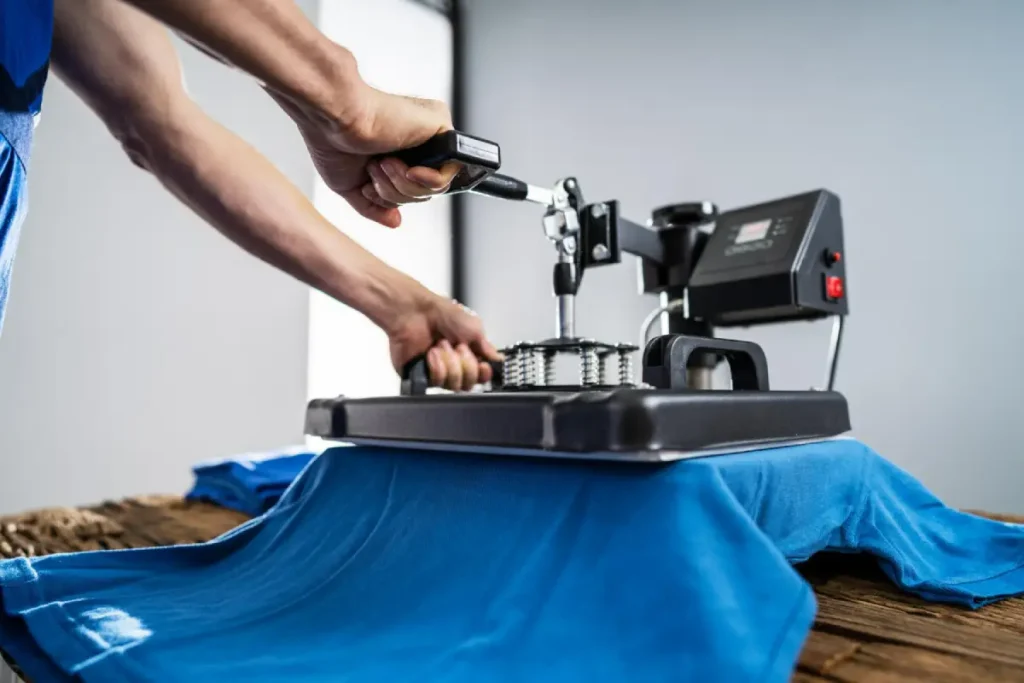
In the world of custom apparel, the distance between a “side hustle” and a “premium brand” is measured in technical precision. Many operators view dtf printing as a simple workflow of printing and pressing, but that perspective ignores the fundamental material science at play. If your ambition is to supply high-end boutiques or retail chains, you must stop operating a print shop and start managing a textile integration facility.
A retail-grade print is not simply a graphic sitting on fabric; it is a permanent fusion of polymers and fibers. Professional dtf transfers offer unparalleled detail and vibrancy, but their durability is entirely dependent on how effectively they are integrated into the textile substrate. Harwin advocates for a “Systems-First” approach: where equipment is calibrated, consumables are protected, and every press is a data point in your quest for perfection.
Engineering the Bond: The Three Pillars of Success
If you want to eliminate returns and customer complaints, you must master the variables that govern adhesion:
- Surface Normalization: A garment straight from the box contains microscopic moisture and fiber irregularities. A short, high-pressure pre-press session is the foundation of a durable bond, ensuring the textile is a “blank canvas” for the adhesive.
- Mechanical Force: Heat melts the adhesive, but pressure drives it into the fabric’s micro-weave. Using a press with a digital pressure sensor allows you to standardize your application, ensuring that the bond is identical on every garment, regardless of the operator.
- Thermodynamic Stabilization: The cooling process is a critical transition. By allowing the transfer to reach room temperature while still under minimal contact, you ensure the adhesive “locks” into the fiber structure without the stress of premature peeling.
Logistical Agility: The Lean Manufacturing Play
Growth is expensive if it requires massive, upfront inventory investment. The modern solution is to move toward a “Demand-Driven” model. Searching for dtf transfers near me allows you to build a tight, collaborative relationship with a regional print partner who acts as an extension of your own brand. This eliminates the need for expensive warehouse space and keeps your capital free for marketing and growth.
This localized setup offers a major competitive edge in market responsiveness. Whether you need to test a new “vintage-distressed” ink profile or a specialized high-stretch adhesive for a new athleisure drop, your local partner provides the technical support to make it happen instantly. By outsourcing the printing complexity while maintaining local control of the application, you create a lean, agile business model that can pivot faster than any mass-market competitor.
Institutionalizing Your Quality Protocols
A business that relies on “tribal knowledge”—where only one person knows how to set the press—is a business that cannot scale. To grow, you must externalize your expertise. Build a “Production Bible” for your shop: a technical manual that details the exact temperature, pressure, and timing for every fabric type you offer. When quality is a codified protocol rather than an individual skill, your production capacity can increase indefinitely without sacrificing consistency.
Furthermore, turn your quality assurance into a marketing asset. Implement an “Aggressive Wash-Test” protocol for every batch. When you can tell your retail partners that your garments have been stress-tested through industrial high-heat laundry cycles, you change the conversation from “What is your price per unit?” to “How long can we expect this product to last?” That shift in value proposition is exactly how you command premium pricing.
Frequently Asked Questions
Why does inconsistent pressure ruin a DTF print?
DTF adhesive requires a specific PSI range to “wet out” into the fabric fibers. If pressure is too low, the adhesive only grips the top fibers, leading to a weak bond that will peel in the wash. Consistent pressure ensures that the adhesive flows into the entire depth of the weave.
How can I identify a “Retail-Ready” transfer supplier?
When searching for dtf transfers near me, request samples and perform an “elasticity test.” A premium transfer will stretch and return to its original shape without cracking. If the print leaves white “stress marks” or cracks when pulled, the manufacturer’s adhesive chemistry is too brittle for retail apparel.
What is the most effective way to protect heat-sensitive synthetics?
The key is a “Thermal Buffer.” By placing a high-density silicone mat or an extra sheet of Teflon between your press and the garment, you slow down the energy transfer. This allows the heat to melt the adhesive without the garment surface reaching the scorching point.
Is it necessary to have a dedicated curing oven?
For professional results, yes. While a heat press or conveyor dryer can work in a pinch, an automated, calibrated curing oven ensures a consistent heat profile across the entire surface of the transfer, which is vital for preventing “spotty” adhesion.
Building a successful, high-quality apparel brand is a journey of continuous technical refinement. By mastering the potential of dtf, you position your brand to compete at the highest level of the custom merchandise market. Harwin is committed to providing the industry insights you need to turn your production floor into a professional, profitable enterprise. Start optimizing your workflow today—your commitment to quality is the most valuable investment you can make for your brand’s future.