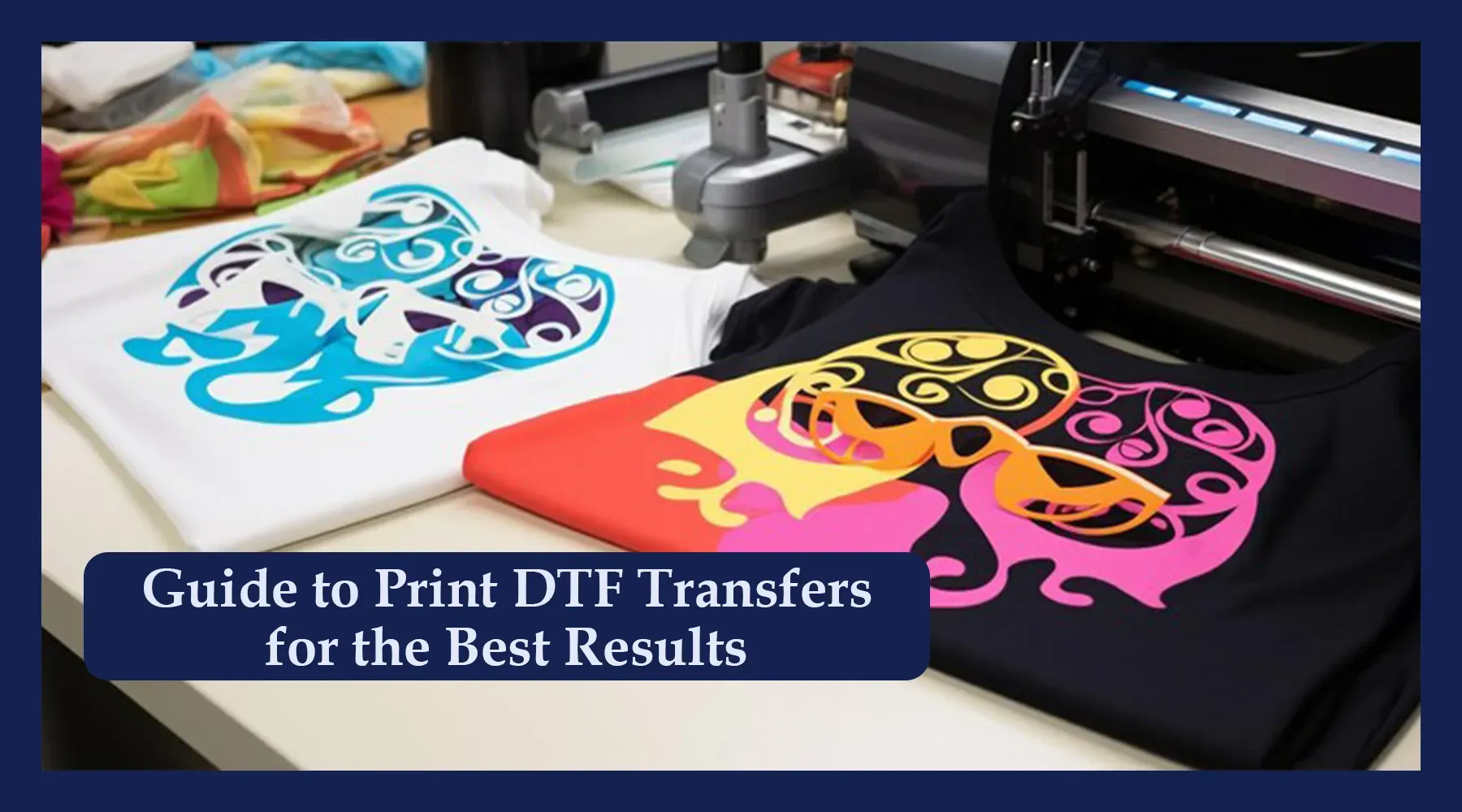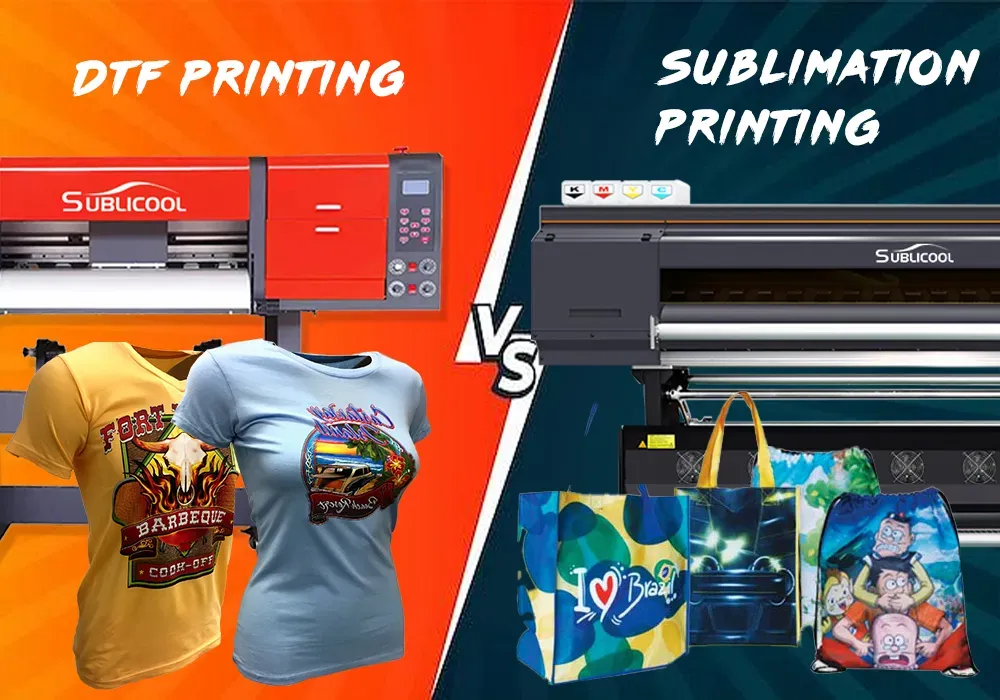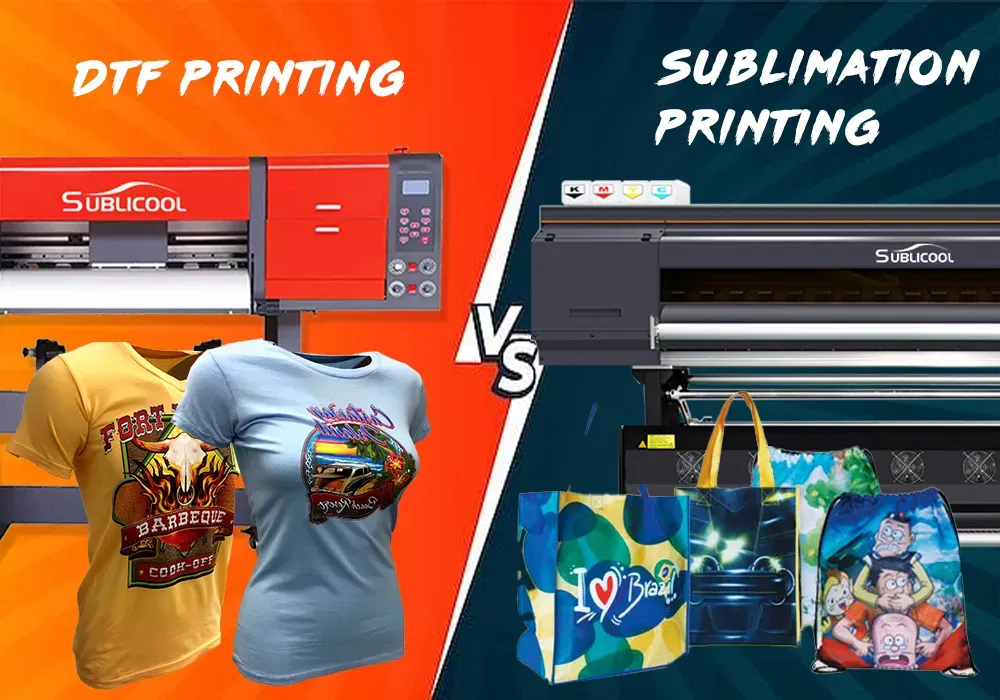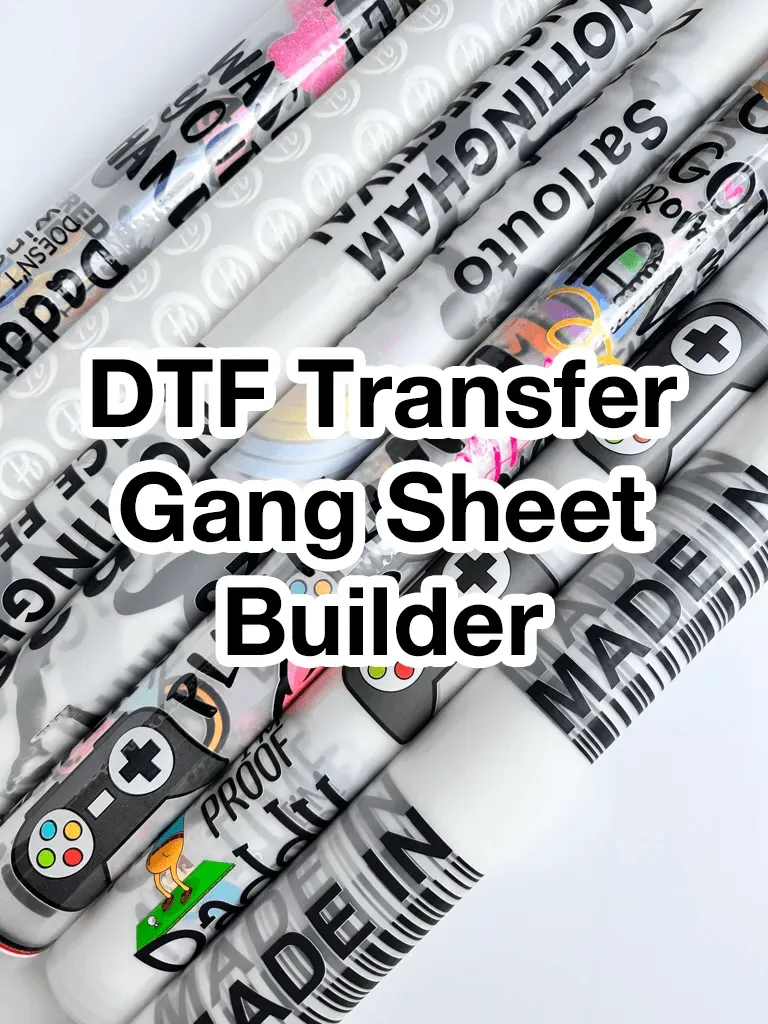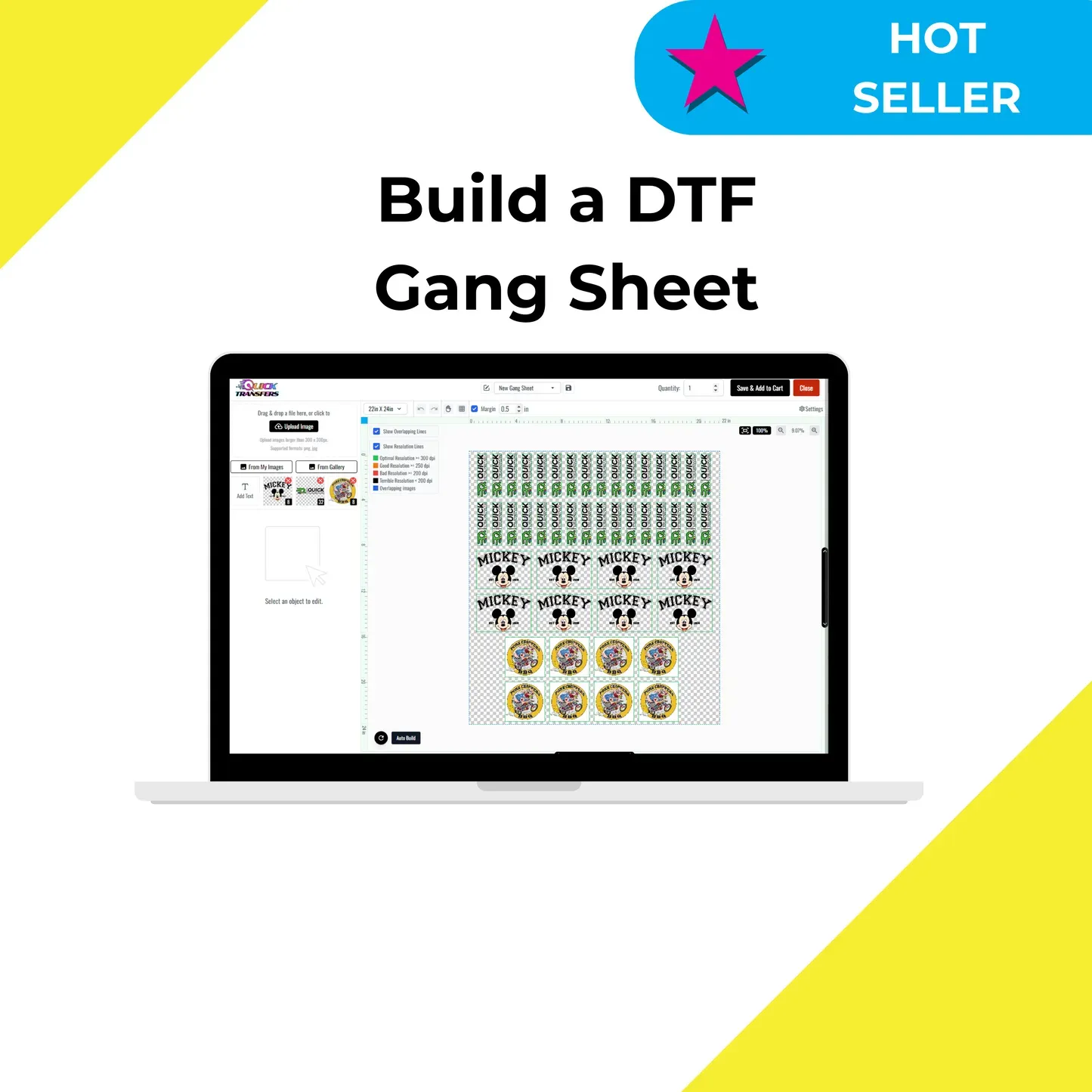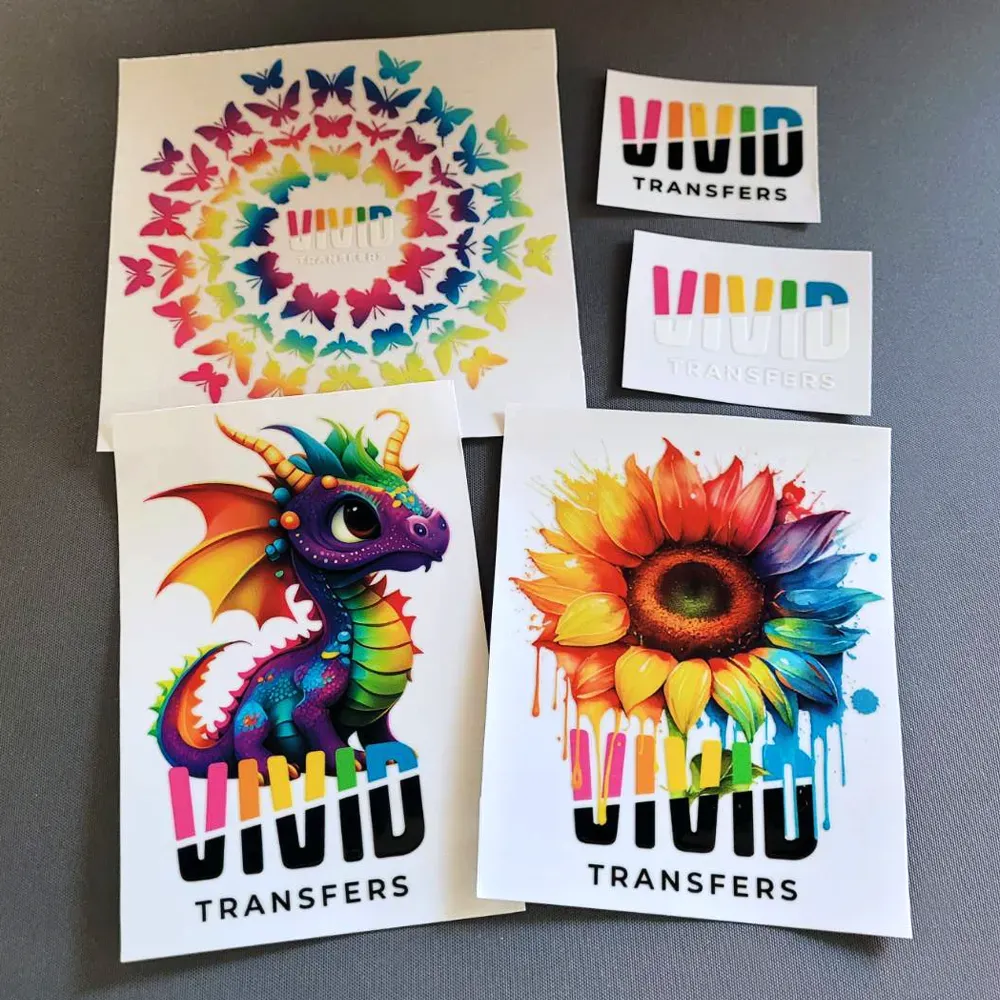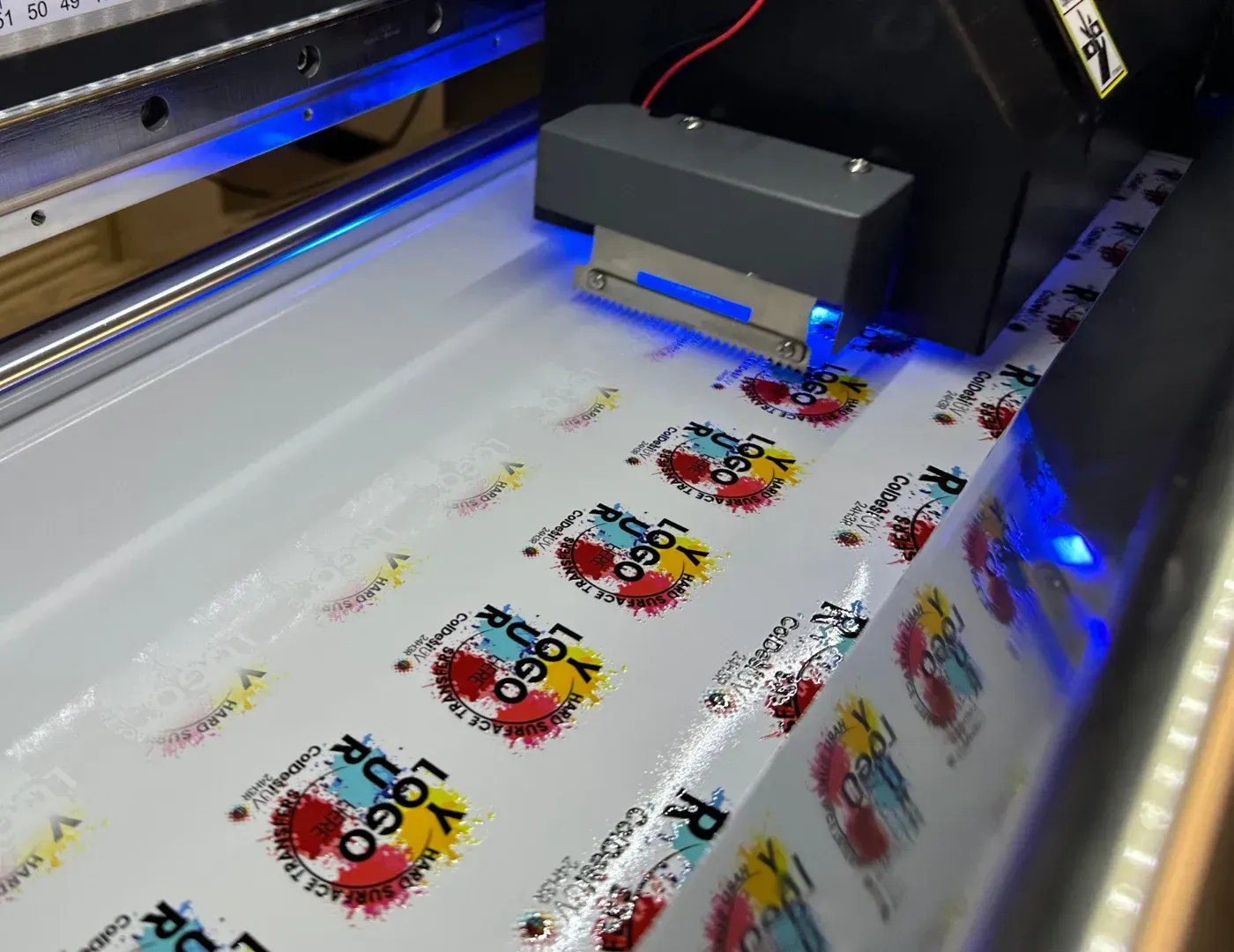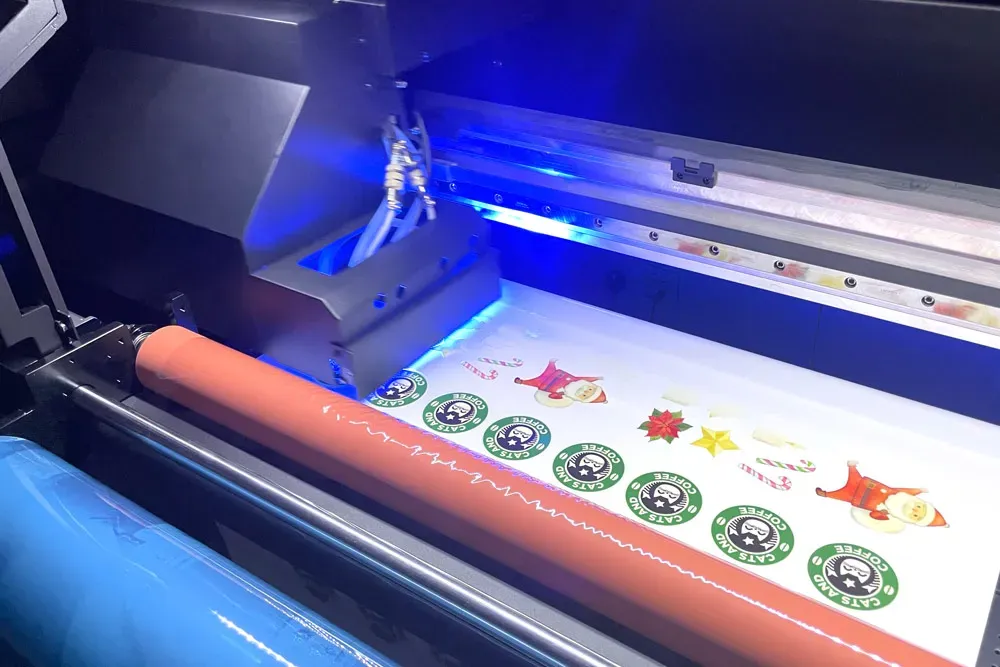
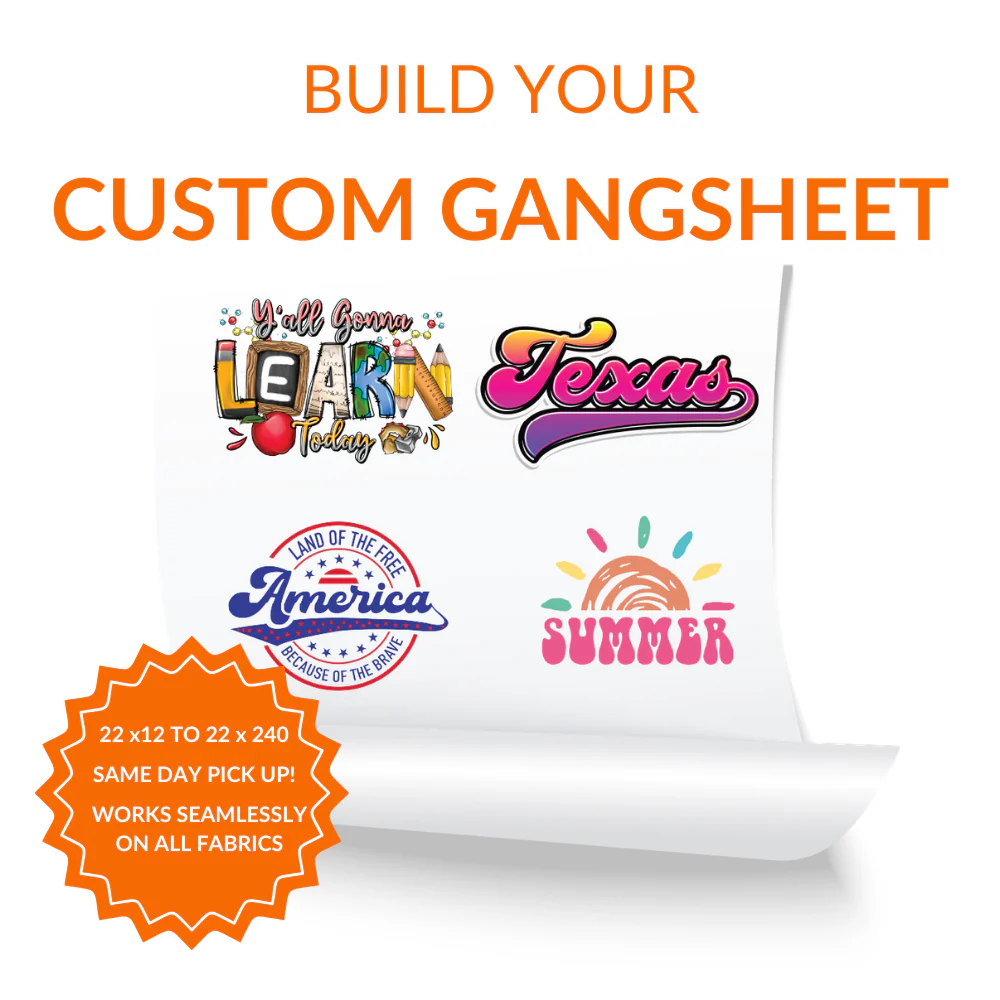
DTF printing has reshaped how apparel brands approach customization, production speed, and cost efficiency. As demand for short runs grows, studios rely on the DTF printer and smart workflows to maximize every inch of film. A core driver is the gangsheet builder, a layout engine that orchestrates multiple transfers on one sheet for faster setup and fewer changeovers. By mastering gangsheet printing practices, shops reduce waste and improve color consistency across designs. Learning how these elements—DTF printing, gangsheet layouts, and a streamlined DTF workflow—work together helps you deliver high-quality DTF transfer results faster.
Another framing of the concept relies on direct-to-film technology, a film-to-fabric transfer method that emphasizes durable adhesion and vivid color. Think in terms of batch layouts, multi-design sheets, and sheet-level optimization—principles that align with gangsheet building and efficient gangsheet printing. This approach coordinates printer settings, heat transfer timing, and color management within a cohesive DTF workflow to accelerate orders. When teams plan transfers as a single optimized sheet, waste drops, setup times shrink, and production scales across variations.
DTF Printing Mastery: Leveraging a Gangsheet Builder for Faster Transfers
DTF printing becomes significantly more efficient when a gangsheet builder orchestrates multiple designs, colorways, and sizes onto a single transfer sheet. By packing many transfers into one film, you shorten setup times, reduce film waste, and accelerate your DTF workflow. The result is more transfers produced per minute on your DTF printer, with tighter control over color consistency and registration across orders. In practice, this means faster order turnaround and better predictability for edge-case runs or small batch jobs, all while maintaining high image fidelity on diverse fabrics.
To maximize these gains, design for the gangsheet from the start: consider margins, spacing, and heat-transfer zones, and align artwork with the sheet layout. Plan color separations with ink usage in mind to avoid bleed and overprinting, and integrate the gangsheet layout with your RIP software and color-management toolkit. With a well-tuned gangsheet printing process, you can expand production capacity, maintain reproducibility, and improve the overall efficiency of the DTF transfer stage.
Optimizing the DTF Workflow with Gangsheet Printing and Builders
Gangsheet printing, powered by a capable gangsheet builder, streamlines the entire DTF workflow by consolidating designs into a single, repeatable production step. This approach boosts throughput, minimizes material waste, and reduces changeover times between orders. By coordinating layout, color separations, and transfer timing, the gangsheet strategy enhances consistency across runs and ensures more predictable timelines for both small runs and mid-volume projects within the DTF printing ecosystem.
Implement best practices to sustain these improvements: create reusable templates for common product families, calibrate color management across devices, and run test gang sheets to verify spacing and adhesion before committing to full production. Tracking metrics such as setup time, waste percentage, and overall throughput helps quantify ROI, while ongoing training keeps operators proficient with the gangsheet builder, gangsheet printing, and the broader DTF transfer process within the workflow.
Frequently Asked Questions
How can a gangsheet builder improve efficiency in DTF printing and reduce waste?
A gangsheet builder acts as a layout engine in DTF printing, tessellating multiple transfers onto a single film sheet. This speeds setup and changeovers, minimizes film waste, and improves consistency across orders. Used with a DTF printer, it optimizes your DTF workflow from design to transfer and helps manage color separations and placements. Practical tips: design for the gangsheet, leave margins, run test sheets, and automate layout where possible.
What’s the difference between gangsheet printing and standard DTF printing, and how does the gangsheet builder fit into the DTF workflow?
DTF printing refers to printing ink on a transfer film for later heat transfer to fabric. Gangsheet printing is the method of arranging multiple designs on one sheet to print together. The gangsheet builder is the tool that creates these layouts and integrates with your DTF printer and RIP software, improving throughput and reducing waste in the DTF workflow and during DTF transfers.
| Topic | Key Points | Benefits/Impact |
|---|---|---|
| DTF Printing Overview | DTF stands for Direct-to-Film printing: ink is deposited onto a film and then transferred to textiles/substrates with heat and pressure. Benefits include versatility across fabrics, strong color accuracy, lower setup costs for small runs, and reusable film pathways. Understanding DTF printing also involves how you arrange designs and optimize layouts and workflow tools, not just the printer. | Foundational for speed-to-market and cost efficiency; informs needs for gangsheet planning and efficient workflows. |
| Gangsheet Builder Definition | A gangsheet builder is a layout engine that tessellates multiple designs, colorways, or sizes onto one film sheet so you print multiple transfers from a single gangsheet. | Speeds production, reduces film waste, and simplifies setup by consolidating multiple designs on one sheet. |
| Core Concepts of Gangsheet Builder | Efficiency (packing multiple transfers on one sheet), Consistency (better alignment across orders), Flexibility (quick design mix changes), and Integration with DTF workflows. | Leads to higher productivity, more reliable results, and adaptable production planning. |
| Benefits in DTF Operation | Faster setup and changeovers; Reduced material waste; Higher throughput; Better color management; ROI and scalability. | Lower costs per unit, faster orders, and scalable production capacity. |
| DTF Printing and Gangsheet Printing Synergy | Gangsheet printing applies the gangsheet concept to DTF workflows, arranging multiple transfers on one sheet to increase transfers per minute when guided by a well-structured layout. | Increased efficiency and capacity in DTF workflows. |
| Best Practices for Incorporating Gangsheet Builder | Design for the gangsheet; Optimize color separations; Align substrates and sizes; Automate where possible; Test and calibrate with test sheets. | Improved results, fewer errors, and smoother production ramps. |
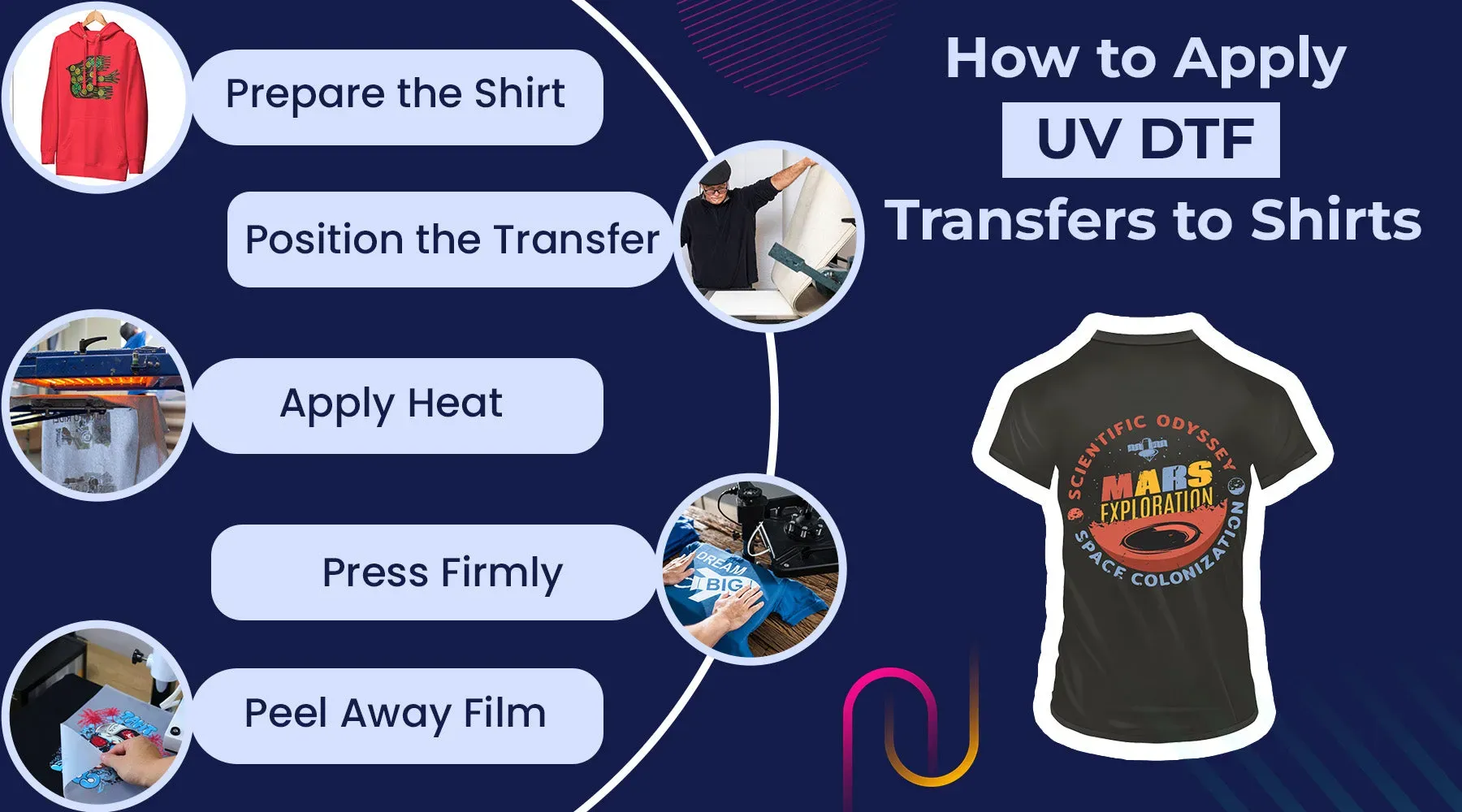
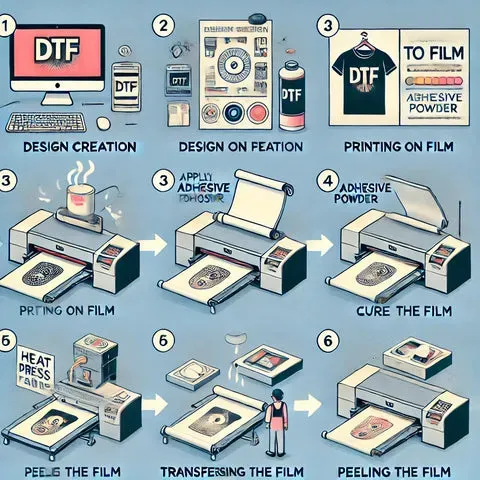
| Typical DTF Workflow with Gangsheet Builder | 1) Prepare artwork; 2) Import designs; 3) Generate gangsheet layout; 4) Print the gangsheet; 5) Align and apply transfers; 6) Inspect finished products and collect data to refine layouts. | End-to-end process with feedback loops to improve future gangsheet layouts. |
| Choosing DTF Printer & Tools | Consider print head quality and speed; film/adhesive compatibility; software integration; vendor support and updates; total cost of ownership (beyond the printer itself). | Ensures reliable performance and cost efficiency for gangsheet-driven production. |
| Best Practices for Maximizing Results | Maintain a design library, build reusable gangsheet templates, calibrate color management, track setup time/waste/throughput, and train staff on both creative and mechanical aspects of gangsheet layouts and DTF transfers. | Quicker ramp-up, consistent quality, and measurable production gains. |